


Saffron: The Golden Thread of Flavour and Tradition
- Steve Holloway

- Feb 8
- 5 min read
Introduction:
Often hailed as the world’s most precious spice, saffron has woven its golden threads through centuries of culinary and cultural history. With its vibrant hue, delicate aroma, and unique flavour, saffron transforms ordinary dishes into extraordinary experiences. Join me as we unravel the mysteries of this luxurious spice, exploring its origins, uses, and the reasons behind its enduring allure in kitchens around the globe.

So what is
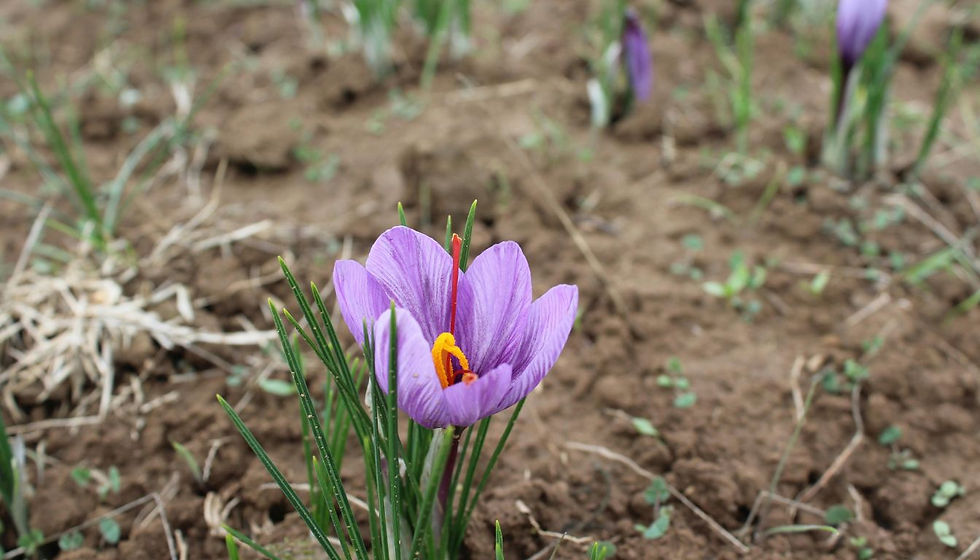
Saffron is a highly prized spice derived from the dried stigmas of the Crocus sativus flower. Each delicate crimson thread is carefully hand-harvested, making saffron the world’s most expensive spice by weight. Renowned for its distinctive earthy, slightly sweet flavour and vibrant golden-yellow hue, saffron is used to enhance a wide variety of dishes, from classic Spanish paella and Italian risotto to Indian biryanis and Persian stews. Beyond its culinary uses, saffron also holds a rich history in traditional medicine, art, and culture, symbolising luxury, warmth, and celebration.
History and Origins
Saffron’s history stretches back over 3,000 years, with its origins believed to be in the region encompassing modern-day Iran, Greece, and the Middle East. Ancient civilisations, including the Persians, Greeks, and Romans, valued saffron not only for its culinary appeal but also for its medicinal, dyeing, and ceremonial purposes. Persian royalty used saffron to perfume baths and as a healing agent, while Greek legends tell of saffron being woven into the fabrics of gods. It spread along trade routes to India and Europe, becoming a key ingredient in both food and medicine. Today, Iran remains the largest producer, but saffron’s legacy is celebrated worldwide, cherished for its rich cultural and culinary heritage.
Cultivation and harvesting
Saffron cultivation is a meticulous and labour-intensive process, typically carried out in regions with hot, dry summers and mild winters, such as Iran, India, Spain, and Greece. The spice comes from the Crocus sativus flower, which blooms only once a year in autumn. Each flower produces just three vivid crimson stigmas, which must be carefully hand-picked at dawn to preserve their delicate aroma and flavour. It takes around 75,000 flowers to produce just one pound of saffron, explaining its high cost. After harvesting, the stigmas are gently dried to concentrate their distinctive flavour and colour, making saffron one of the world’s most sought-after and treasured spices.
Health benefits
Saffron is celebrated not only for its culinary appeal but also for its potential health benefits. Rich in antioxidants like crocin, safranal, and picrocrocin, saffron may help combat oxidative stress and inflammation. Studies suggest it can improve mood, alleviate symptoms of depression and anxiety, and support eye health. Traditional medicine has used saffron for centuries to aid digestion, enhance memory, and relieve menstrual discomfort. While more research is needed to confirm some of these effects, saffron’s natural compounds offer promising benefits when used in moderation as part of a balanced diet.
Culinary Uses
Saffron’s unique flavour and vibrant colour make it a prized ingredient in kitchens worldwide. It’s commonly used in classic dishes like Spanish paella, Italian risotto alla Milanese, French bouillabaisse, Persian tahdig, and Indian biryani, imparting a subtle earthy sweetness and a beautiful golden hue. Saffron is best infused in warm liquid—such as water, milk, or stock—before being added to recipes to release its full flavour and aroma. Beyond savoury dishes, saffron also adds elegance to desserts like ice creams, cakes, and puddings, making it a versatile spice that elevates both everyday meals and festive feasts.
Storage and Selection Tips
To get the most out of saffron’s exquisite flavour and aroma, it’s important to select and store it properly. Always choose saffron threads (stigmas) over ground powder, as the threads are less likely to be adulterated and retain their potency longer. Look for deep red threads with a subtle, honeyed aroma—avoid strands that appear dull or include yellow portions. Store saffron in an airtight container, placed in a cool, dark cupboard away from light and moisture, as exposure can quickly diminish its quality. With proper storage, saffron can maintain its distinctive flavour and colour for up to two years.
Featured Recipe
Saffron Rice Pilaf
Elevate your next meal with this fragrant saffron rice pilaf, a simple yet elegant dish that highlights saffron’s unique flavour and golden colour. Begin by soaking a pinch of saffron threads in two tablespoons of warm water for 10 minutes to release their essence. In a saucepan, gently sauté a finely chopped onion in butter or olive oil until soft, then stir in one cup of basmati rice and toast lightly. Add the saffron infusion and two cups of hot stock, season with salt, and simmer, covered, until the rice is tender and the liquid is absorbed. Fluff with a fork and garnish with toasted nuts or fresh herbs for a luxurious side that’s sure to impress. Alternatively why not follow my recipe below;
Saffron Rice: A truly delightful dish

Frequently asked questions
Why is saffron so expensive?
Saffron is costly because each Crocus sativus flower produces only three stigmas, which must be hand-harvested. It takes tens of thousands
How can I tell if saffron is genuine?
Authentic saffron threads are deep red with a slightly trumpet-shaped tip and a strong aroma. Avoid threads with yellow or white parts, and be wary of powdered saffron, which is often adulterated.
Can I use saffron in sweet dishes?
Absolutely! Saffron pairs beautifully with desserts such as rice pudding, ice cream, and cakes, lending a luxurious aroma and colour.
How much saffron should I use in cooking?
A little goes a long way—usually, just a pinch (about 10–20 threads) is sufficient to flavour and colour most recipes.
Is saffron safe to eat?
Yes, saffron is safe when used in culinary amounts. Very high doses are not recommended, but moderate use in food is considered safe and beneficial.
How should I store saffron?
Keep saffron threads in an airtight container away from light, heat, and moisture to preserve their flavour and potency
What does saffron taste like?
Saffron has a subtle, earthy-sweet flavour with floral and honey-like notes, making it a unique addition to both savoury and sweet dishes.
Conclusion
Saffron’s allure stretches far beyond its golden hue and delicate flavour—it is a spice steeped in history, cultural richness, and culinary magic. From the careful hands that harvest its precious threads to the vibrant dishes it transforms, saffron embodies luxury, tradition, and a touch of the extraordinary. Whether you’re adding it to a classic recipe or simply savouring its aroma, saffron invites you to experience the world through its golden lens. Embrace its wonders in your kitchen and let this ancient spice inspire your own culinary adventures.


Comments