


"Garlic Unveiled: The Aromatic Backbone of Curry Flavour"

Introduction:
Garlic is more than just a kitchen staple—it’s the aromatic heart that brings depth and complexity to curries across the globe. In this installment of Stevie’s Ingredient Deep Dive, we’ll explore how garlic transforms ordinary dishes into vibrant flavour experiences. From its pungent punch to its subtle sweetness when cooked, garlic plays a pivotal role in creating the rich, layered profiles that define great curry. Join us as we peel back the layers on this humble bulb and discover its essential place in curry’s core components.
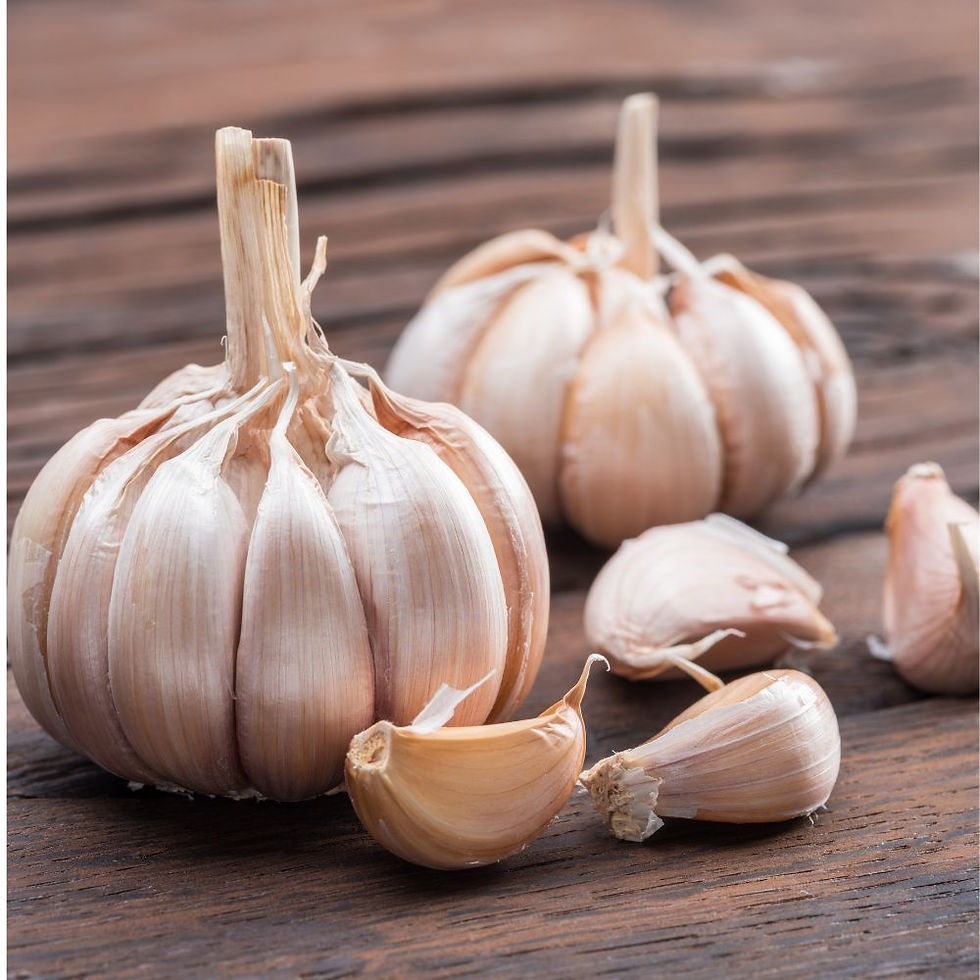
So what is Garlic
Garlic is a bulbous plant from the allium family, closely related to onions, leeks, and shallots. Its scientific name is Allium sativum, and it’s widely used in cooking for its strong, pungent flavour and distinctive aroma. Each garlic bulb contains several individual cloves, which can be used raw for a sharp, spicy kick or cooked to develop a sweeter, milder taste. Garlic is a staple in cuisines around the world and is especially important in curries, where it acts as a foundational aromatic, enhancing the overall flavour profile. Beyond its culinary uses, garlic is also valued for its potential health benefits, including antibacterial and anti-inflammatory properties.
History and Origins
Garlic has a rich history that dates back over 5,000 years, with its origins believed to be in Central Asia, particularly around present-day Iran and Turkmenistan. It quickly spread to ancient civilisations such as Egypt, where it was prized for both culinary and medicinal purposes—Egyptian labourers ate garlic for strength and endurance, and it was even found in the tomb of Tutankhamun. Garlic travelled through trade routes to India, China, and the Mediterranean, becoming a staple in numerous traditional dishes. The Greeks and Romans also embraced garlic for its supposed health benefits and protective qualities. Over centuries, garlic’s distinctive flavour and versatility secured its place in world cuisines, especially in South Asian, Middle Eastern, and European cooking, where it remains a cornerstone ingredient in curries and countless other dishes.
Cultivation and harvesting
Garlic is typically cultivated by planting individual cloves, which are spaced apart in well-drained, fertile soil during autumn or early spring. Each clove develops into a whole bulb over the growing season, requiring plenty of sunlight and moderate watering. As the plant matures, green shoots (known as scapes) may appear, which can be harvested and eaten or left to help the bulb develop. Garlic is usually ready for harvest when its leaves turn yellow and begin to dry, generally in mid to late summer. The bulbs are carefully lifted from the soil, cleaned, and then cured in a dry, airy place for several weeks to enhance their flavour and shelf life before use or storage.
Health benefits
Garlic is renowned for its array of health benefits, many of which are attributed to its high content of sulphur compounds like allicin, released when garlic is chopped or crushed. It has been shown to support cardiovascular health by helping to lower blood pressure and cholesterol levels, and its natural antibacterial and antiviral properties can boost the immune system. Garlic also contains antioxidants that help protect cells from damage, and some studies suggest it may reduce the risk of certain cancers. Additionally, garlic has anti-inflammatory effects, may aid digestion, and has been used traditionally to combat colds and infections. Incorporating garlic into your diet is an easy, flavourful way to promote overall well-being.

Culinary Uses
Garlic is an incredibly versatile ingredient in the kitchen, used both raw and cooked to impart distinct flavours to a wide range of dishes. In curries, garlic is often sautéed with onions and spices at the start, building a robust foundation of aroma and taste. It can be finely chopped, crushed, or made into a paste for more intense flavour, and is equally at home in marinades, dressings, and sauces. Roasting garlic transforms it into a sweet, mellow ingredient, perfect for spreading or blending into soups. Whether used in stir-fries, stews, breads, or dips, garlic’s ability to enhance and deepen the flavour profile makes it a staple in cuisines worldwide.
Storage and Selection Tips
When selecting garlic, look for firm, plump bulbs with tight, unbroken skins and avoid any that feel soft, sprouting, or have visible mould. For storage, keep garlic bulbs in a cool, dry, and well-ventilated place—such as a mesh bag or open basket—in your kitchen, but not in the fridge, as cold encourages sprouting and alters the flavour. Once a bulb is broken and cloves are separated, use them within a week for the best taste and texture. Peeled or chopped garlic can be stored briefly in an airtight container in the fridge, but it’s best used fresh to preserve its pungent flavour and health benefits.
Featured Recipe
Featured Recipe: Chicken Garlic Curry
This Chicken Garlic Curry is a celebration of bold, aromatic flavours, with garlic taking center stage to create a deeply savoury, comforting dish. Tender pieces of chicken are simmered in a fragrant base of golden garlic, onions, and tomatoes, enhanced by classic curry spices. The result is a rich, warming curry that’s simple to prepare yet full of complexity—perfect for a hearty weeknight meal or for impressing guests with minimal effort. Serve with fluffy rice or warm naan to soak up every last bit of the delicious, garlicky sauce.
How to make Chicken & Garlic Curry
Ingredients:
- 500g boneless chicken, cut into pieces
- 8 garlic cloves, finely chopped or crushed
- 1 onion, finely sliced
- 2 tomatoes, chopped
- 1 tsp cumin seeds
- 1 tsp ground coriander
- 1/2 tsp turmeric
- 1 tsp chilli powder (adjust to taste)
- 2 tbsp oil
- Salt to taste
- Fresh coriander leaves, for garnish
Method:
1. Heat oil in a pan and add cumin seeds.
2. Once they sizzle, add the chopped garlic and sauté until fragrant and lightly golden.
3. Add the sliced onion and cook until soft and translucent.
4. Stir in the tomatoes, turmeric, coriander, and chilli powder, cooking until the tomatoes break down into a thick sauce.
5. Add the chicken pieces and salt, mixing well to coat in the garlic-tomato mixture.
6. Cover and cook on medium heat for 15–20 minutes, until the chicken is tender and cooked through.
7. Garnish with fresh coriander leaves and serve hot with rice or naan.
This recipe highlights garlic’s robust flavour, infusing the chicken with savoury warmth in every bite.
Featured Recipe: Chicken & Garlic Curry

Frequently asked questions
Is it better to use fresh garlic or garlic powder in cooking?
Fresh garlic offers a stronger, more complex flavour and aroma, making it ideal for most dishes. Garlic powder is convenient and works well for dry spice mixes or when you want a milder taste.
How do I prevent garlic from burning when cooking?
Garlic burns quickly, turning bitter. To avoid this, cook it over low to medium heat and add it after other ingredients like onions, or mix it into sauces rather than frying it alone.
Can I eat raw garlic?
Yes, raw garlic is safe to eat and has a sharp, pungent flavour. It’s often used in dressings, dips, and salads, but can be quite strong, so use sparingly.
Why does garlic sometimes turn blue or green when cooked?
Garlic can change colour due to a chemical reaction with acidic ingredients or minerals in water. It's harmless and doesn’t affect taste or safety.
How long does garlic last in storage?
Whole bulbs stored in a cool, dry place can last several weeks to months. Once broken or peeled, garlic
should be used within a week for best flavour.
Is garlic good for my health?
Yes, garlic is well-known for its potential health benefits, such as supporting heart health, boosting immunity, and offering anti-inflammatory properties.
How do I get the best flavour from garlic?
For maximum flavour, add garlic to your pan before introducing any liquids. As garlic heats, it releases its aromatic compounds into the dish, but these can dissipate if liquid isn’t added soon enough. When you begin to smell the rich aroma of garlic wafting from the pan, that’s your cue to add the liquids—this helps capture and infuse its full flavour into the curry.
Conclusion
Garlic’s remarkable ability to transform simple ingredients into a vibrant, aromatic curry makes it a true cornerstone of great cooking. Whether you’re using it for its bold punch or subtle sweetness, garlic’s versatility and depth of flavour are unmatched. By understanding its origins, health benefits, and culinary uses, you can unlock new layers of taste in your dishes and appreciate why garlic holds such a revered place in kitchens worldwide. So, the next time you reach for a bulb, remember that you’re not just adding an ingredient—you’re embracing a tradition of flavour that elevates every curry to something extraordinary.


Comments