


"Ginger: The Zesty Heartbeat of Curry – Unveiling Its Flavourful Secret

Updated: Mar 21
Introduction: In this edition of Stevie’s Ingredient Deep Dive, we turn our attention to ginger—a spice that brings a vibrant warmth and unmistakable zing to curries around the globe. Beyond its bold flavour, ginger is prized for its aromatic qualities and its ability to harmonise with other core ingredients, creating the signature depth and complexity curry lovers adore. Join me as we explore what makes ginger essential, how it enhances both taste and texture, and discover tips for unlocking its full culinary potential.

So what is Ginger
Ginger is the knobbly, tan-coloured root (technically a rhizome) of the plant Zingiber officinale, native to Southeast Asia. It has a distinctive spicy, peppery flavour with citrusy and floral notes, and is used both fresh and dried in cooking. Ginger is not only a staple in curry recipes, but also valued for its aromatic qualities and health benefits, such as aiding digestion and fighting inflammation. Its pungent, warming character makes it a key ingredient in many cuisines, adding depth and complexity to savoury and sweet dishes alike.
History and Origins of Ginger
Ginger has a long and storied history, believed to have originated in Southeast Asia, where it was first cultivated over 5,000 years ago. Ancient texts from China and India mention ginger as both a culinary spice and a medicinal remedy, and it quickly became valued for its flavour and healing properties. Traders carried ginger along the Silk Road and maritime routes, introducing it to the Middle East, Africa, and Europe. By the Middle Ages, ginger was a prized commodity in Europe, used in everything from breads to drinks, and it remains a global favourite today, deeply woven into the culinary traditions of many cultures.
Cultivation and harvesting Ginger
Ginger is grown in warm, tropical climates and thrives in rich, well-drained soil with plenty of moisture. Farmers typically plant pieces of ginger rhizome, which sprout new shoots and roots, and the plants take about 8 to 10 months to mature. Harvesting involves carefully digging up the rhizomes once the leafy stems begin to die back, usually after the rainy season. Fresh ginger is cleaned and either sold directly or processed further for dried, powdered, or preserved forms. Major producers include India, China, Indonesia, and Nigeria, with each region offering subtle differences in flavour and quality.
Health benefits of Ginger
Ginger is celebrated for its numerous health benefits, thanks to its rich content of bioactive compounds like gingerol. It is widely known for aiding digestion, relieving nausea (including morning sickness and motion sickness), and reducing inflammation. Ginger also supports immune health, can help alleviate muscle soreness, and has been linked to lowering blood sugar and cholesterol levels. Its antioxidant properties make it a popular natural remedy for boosting overall wellbeing, and it has a longstanding reputation in traditional medicine systems such as Ayurveda and Chinese medicine.

Culinary Uses
Ginger is a versatile ingredient in the kitchen, used both fresh and dried to add warmth, zest, and depth to a wide array of dishes. In curry, it’s often sautéed with onions and garlic as a flavour base, or blended into pastes for sauces and marinades. Ginger’s pungency pairs beautifully with other spices like turmeric, cumin, and coriander, elevating both meat and vegetarian curries. Beyond curries, it’s used in stir-fries, soups, teas, baked goods, and even preserves, lending its signature spicy-sweet aroma and flavour to everything from Asian cuisine to classic British ginger biscuits.
Storage and Selection Tips
When selecting fresh ginger, look for firm, smooth, and plump rhizomes with a light brown skin and minimal wrinkles—avoid pieces that are shrivelled or have soft spots. To store, keep unpeeled ginger in a cool, dry place or in the vegetable drawer of your fridge, where it can last up to a few weeks. For longer preservation, slice or grate ginger and freeze it in airtight containers or freezer bags. Dried or powdered ginger should be stored in a sealed jar, away from heat and moisture, to maintain its flavour. Proper selection and storage ensure ginger’s freshness and potency in your cooking.
Featured Recipe
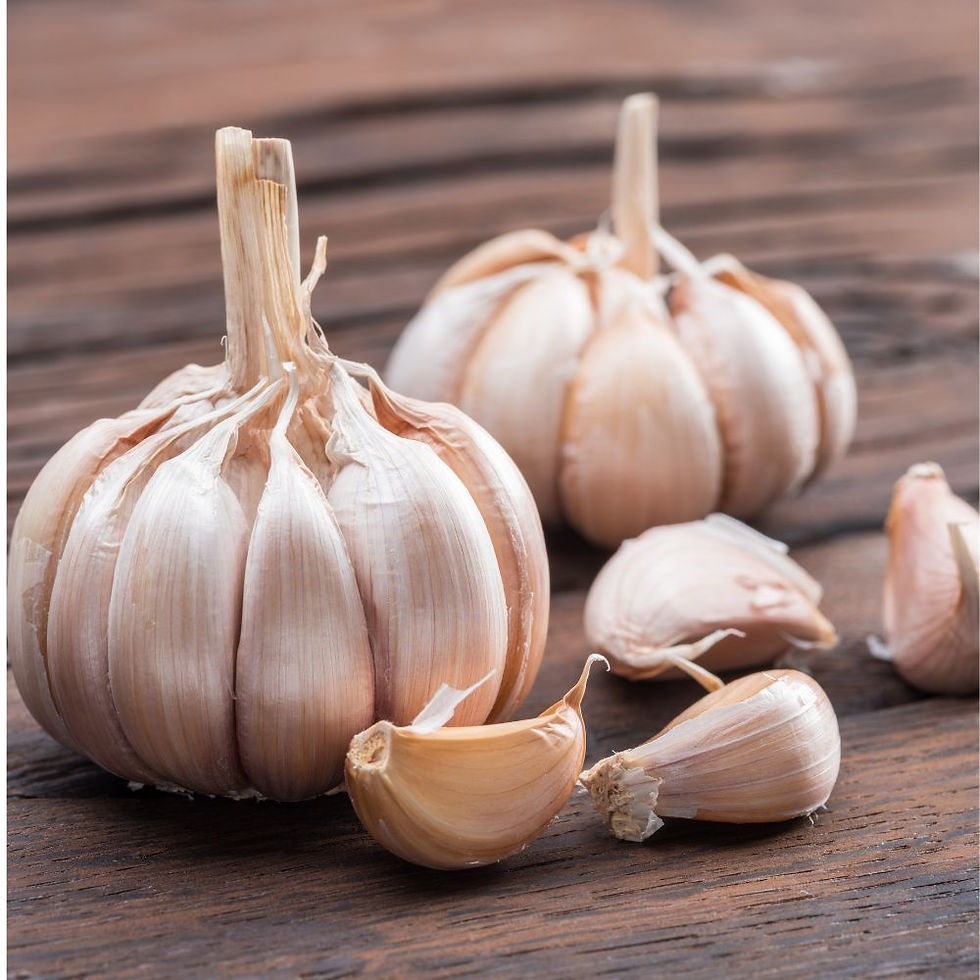
Garlic and ginger paste is the unsung hero of British Indian Restaurant (BIR) cooking method, adding bold taste and aroma to your curries and sauces. With this simple recipe, you can make a fresh, flavourful paste at home in minutes, store it in bulk, and enjoy authentic BIR magic in every meal!

Frequently asked questions
Can I use dried ginger instead of fresh ginger in curry recipes?
Yes, but dried ginger is more concentrated and has a slightly different flavour, so use about one-third the amount and adjust to taste.
How do I peel ginger easily?
The easiest way is to use the edge of a spoon to scrape off the thin skin without wasting much of the root.
Is ginger safe for everyone to eat?
Ginger is generally safe for most people, but those with certain medical conditions or on specific medications should consult a healthcare professional before consuming large amounts.
Can I freeze fresh ginger?
Absolutely! Ginger freezes well; just peel and slice or grate it, then store in an airtight container in the freezer.
What’s the difference between young and mature ginger?
Young ginger has a milder flavour and softer skin, making it ideal for pickling or using raw, while mature ginger is more pungent and fibrous, perfect for cooking.
Conclusion
Ginger’s unmistakable warmth and complexity make it an indispensable ingredient in curries and countless other dishes, elevating flavours while offering impressive health benefits. Whether you’re using it fresh, dried, or powdered, ginger brings zest and harmony to your cooking, and its rich history and versatility ensure it remains a kitchen favourite. By understanding how to select, store, and use ginger, you can unlock its full potential in your culinary adventures. So next time you reach for this humble root, remember—you’re adding not just spice, but centuries of tradition and well-being to your curry.


Comments