


Stevie’s Ingredient Deep Dive: Cracking the Coconut—The Heart of Curry’s Flavour

Updated: May 19
Introduction:
Welcome back to Stevie’s Ingredient Deep Dive, where we unravel the secrets behind your favourite curry dishes. This week, we're shining the spotlight on coconut—a creamy, versatile ingredient that weaves its way through countless curries across the globe. From silky coconut milk to rich coconut cream and even toasted coconut flakes, this tropical treasure is the backbone of many unforgettable flavours and textures. Join me as we explore coconut’s essential role in curry, discover its many forms, and learn how to make the most of its unique qualities in your own kitchen.
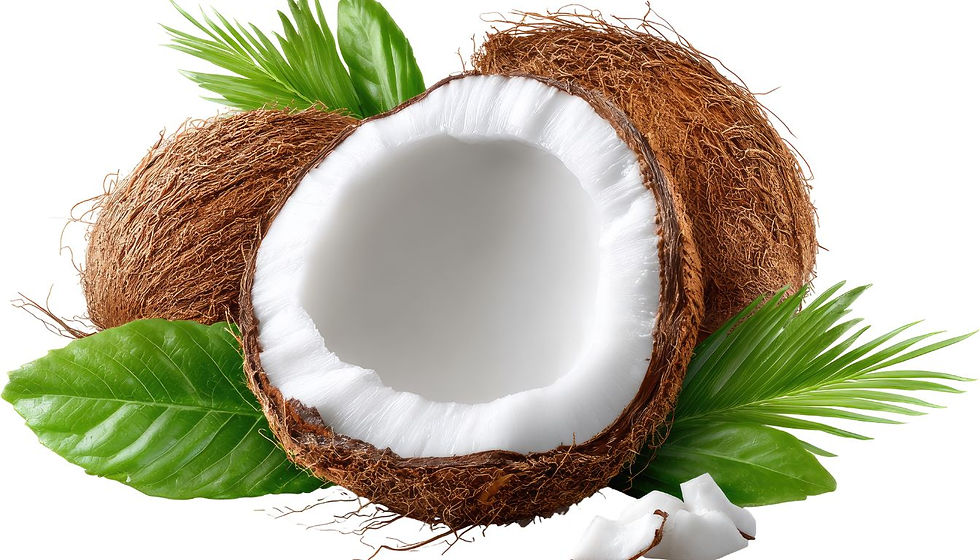
So what are coconuts
Coconuts are the large, round fruits of the coconut palm (Cocos nucifera), a tropical tree found in coastal regions around the world. While they may look tough and unassuming on the outside, coconuts are prized for their delicious, versatile insides. The hard outer shell protects a layer of edible white flesh, known as the coconut meat, and a refreshing liquid called coconut water. As coconuts mature, the water turns into a richer, creamier substance—perfect for culinary uses.
Coconuts are unique because every part of the fruit is useful:
- The "meat" is used fresh or dried (desiccated), grated, or shredded.
- The "water" is a natural drink, packed with nutrients.
- The "milk and cream" come from blending the meat with water, then straining it, and are often used for their rich flavour and silky texture in curries.
- Even the "shell" and "husks" are repurposed for crafts or as fuel.
With their mild sweetness, creamy texture, and ability to absorb spices, coconuts are a staple in many cuisines, especially in South Asian and Southeast Asian curries.
History and Origins
Coconuts have a fascinating history that’s as rich and layered as their flavour. The true origin of the coconut is still debated, but most botanists agree they first grew in tropical coastal regions of Southeast Asia and the islands of the Indian and Pacific Oceans. Ancient trade routes and the coconut’s ability to float long distances on ocean currents helped spread them to Africa, South America, and beyond.
Coconuts have been cultivated and cherished for thousands of years. Early records show their presence in India as early as 2,500 years ago, where they were often referred to as the “tree of life” due to their many uses. In Sanskrit, the coconut palm is called kalpavriksha, meaning “the tree which provides all the necessities of life.” Polynesian navigators are believed to have carried coconuts on their epic sea voyages, introducing them to new islands and shores.
Over the centuries, coconuts became essential to the cuisines, cultures, and economies of tropical regions around the world. Today, they are a staple ingredient in dishes from southern India to Thailand, the Caribbean, and beyond—making their creamy presence felt in everything from fragrant curries to sweet desserts.
Cultivation and Harvesting of Coconuts
Coconuts are tropical fruits that thrive in warm, humid climates with plenty of rainfall and sunshine. The coconut palm (Cocos nucifera) is an iconic symbol of the tropics, often seen swaying along coastlines and sandy beaches.
Cultivation:Coconut palms are usually grown from seed—specifically, from the whole coconut itself. Farmers plant the mature nut, and after several months, a sprout emerges. The palms flourish best in sandy, well-drained soils and require temperatures consistently above 21°C (70°F). They are hardy trees, able to withstand strong winds and even salty sea spray, which is why they are common in coastal areas.
A coconut palm takes about 6 to 10 years to begin bearing fruit, but once mature, it can produce coconuts throughout the year for up to 60–80 years. A single tree can yield 30 to 75 coconuts annually, depending on its variety and growing conditions.
Harvesting:
Coconuts are usually harvested by hand, and the method depends on the height of the tree and the local tradition. In some regions, skilled climbers scale the tall trunks to cut the coconuts using a machete or a hooked knife. In other areas, long poles with knives attached are used to reach the clusters. Occasionally, trained monkeys are used to assist in harvesting in certain countries, though this practice is less common today due to animal welfare concerns.
The maturity of the coconut determines its use. Young, green coconuts are harvested for their refreshing water and tender flesh, while mature, brown coconuts are picked for their rich meat, ideal for making coconut milk, oil, and desiccated coconut.
Sustainability:
Coconut palms are valued not just for their fruit but for their ecological benefits. They help prevent soil erosion along coastlines and provide shade and habitat for wildlife. Sustainable farming practices are becoming increasingly important, with a focus on supporting local farmers, protecting the environment, and ensuring fair working conditions.
Health Benefits of Coconuts
Coconuts don’t just add wonderful flavour and texture to your favourite curries—they also come with a host of health benefits. Here are just a few reasons to feel good about including coconut in your cooking:
1. Rich in Nutrients:
Coconuts are a great source of essential nutrients, including manganese, copper, iron, and selenium. These minerals support healthy metabolism, immune function, and antioxidant defences.
2. Healthy Fats:
Coconut milk, cream, and oil are high in medium-chain triglycerides (MCTs)—a type of fat that the body can readily use for energy. While coconuts are high in saturated fat, current research suggests that MCTs may be metabolised differently than other saturated fats, and could even support energy levels and satiety.
3. Hydration:
Coconut water is naturally rich in electrolytes like potassium, making it a refreshing and effective way to rehydrate after exercise or in hot weather.
4. Antioxidant Properties:
Coconut contains antioxidants that help protect cells from oxidative stress, which is linked to chronic diseases and ageing.
5. Supports Digestive Health:
The fibre in coconut meat helps support healthy digestion and can contribute to a feeling of fullness, which may be helpful for weight management.
6. Naturally Dairy-Free:
Coconut milk and cream are excellent alternatives for those avoiding dairy, offering richness and creaminess without lactose.
A Note of Balance:While coconuts are nutritious, they are also calorie-dense, especially in the form of oil and cream. Enjoy them as part of a balanced diet, and combine with plenty of vegetables, whole grains, and lean proteins for the healthiest results.

Culinary Uses of Coconuts
Coconuts are a true kitchen chameleon, lending their flavour, texture, and richness to a wide range of dishes. Their versatility makes them a cornerstone ingredient in many global cuisines, especially when it comes to curries.
Coconut Milk & Cream:
The most common forms used in curries, coconut milk and cream are made by blending the grated coconut meat with water and then straining it. Coconut milk provides a silky, mildly sweet base that balances spices and adds depth, while coconut cream is thicker and richer, perfect for luxurious sauces and finishing touches.
Coconut Oil:
Extracted from the meat, coconut oil is used for sautéing, frying, and tempering spices. It imparts a subtle, nutty flavour and is a staple in South Indian and Sri Lankan curries.
Desiccated & Toasted Coconut:
Dried coconut, either finely grated or shredded, is sprinkled over curries or used in spice blends for extra texture and flavour. Toasted coconut brings a lovely crunch and a deeper, caramelised note.
Coconut Water:
While mainly enjoyed as a refreshing beverage, coconut water can be used in broths or to steam rice, adding a gentle sweetness.
Fresh Coconut Meat:Chopped or grated fresh coconut is used in chutneys, salads, and even as a garnish for curries.
Regional Highlights:
In Thai curries, coconut milk is essential for the creamy consistency and balancing the fieriness of chilli pastes.
South Indian and Sri Lankan curries often use coconut in various forms—milk, oil, and grated meat—for their distinctive flavour profiles.
In the Caribbean, coconut is featured in stews, rice dishes, and desserts.
From savoury curries to sweet treats, coconuts are indispensable for adding depth, richness, and a tropical touch to countless recipes.
Storage and Selection Tips for Coconuts
Choosing and storing coconuts properly ensures you get the best flavour and freshness for your dishes. Here’s how to make the most of this tropical treasure:
Selecting Coconuts:
Whole Coconuts:
Look for coconuts that feel heavy for their size and have no cracks or mould. Give them a shake—the more water you hear sloshing inside, the fresher the coconut is likely to be.
Coconut Milk & Cream:
Opt for brands with minimal additives and preservatives. If possible, choose organic or natural varieties for a purer flavour.
Desiccated Coconut:
Make sure it’s unsweetened if using for savoury curries. Check for freshness—old desiccated coconut can taste stale.
Coconut Oil:
Choose cold-pressed, virgin coconut oil for the best flavour and aroma.
Storage Tips:
Whole Coconuts: Store in a cool, dry place. Once cracked, keep the meat and water in the fridge and use within a few days.
Coconut Milk & Cream:
Unopened cans or cartons can be stored in the cupboard. Once opened, refrigerate and use within 3–5 days. Stir well before use, as separation is natural.
Desiccated Coconut:
Store in an airtight container in a cool, dry place. For longer storage, keep it in the fridge or freezer to prevent rancidity.
Coconut Oil:
Store at room temperature, away from direct sunlight. It will solidify in cooler climates—this is perfectly normal, and it melts easily when warmed.
By following these tips, you’ll ensure your coconut ingredients stay fresh and flavourful, ready to elevate your next curry to new heights.
Featured Recipe: Classic Coconut Chicken Curry
This fragrant, creamy chicken curry showcases the magic of coconut milk. It’s simple, comforting, and bursting with flavour—making it perfect for both weeknight dinners and special occasions.
Ingredients:
2 tablespoons coconut oil
1 large onion, finely chopped
3 garlic cloves, minced
1 thumb-sized piece of ginger, grated
1 teaspoons ground turmeric
2 teaspoons ground coriander
1 teaspoon chilli powder (adjust to taste)
500g boneless chicken thighs, cut into bite-sized pieces
400ml coconut milk
2 tomatoes, chopped
Salt and pepper, to taste
Fresh coriander, chopped, for garnish
Optional: 1 tablespoon desiccated coconut, toasted
Method:
Heat the coconut oil in a large pan over medium heat. Add the onion and cook until soft and golden.
Stir in the garlic and ginger, sauté for a minute, then add the turmeric, coriander, and chilli powder. Cook for another minute until fragrant.
Add the chicken pieces and cook until lightly browned on all sides.
Stir in the chopped tomatoes and cook for 2–3 minutes.
Pour in the coconut milk, season with salt and pepper, and bring to a gentle simmer.
Cover and cook for 20 minutes, stirring occasionally, until the chicken is tender and the sauce has thickened.
If using, sprinkle in toasted desiccated coconut for extra flavour and texture.
Garnish with fresh coriander and serve with steamed rice or warm naan.
Tip:For a vegetarian version, simply swap the chicken for chickpeas, potatoes, or mixed vegetables.
Or if you prefer why not try some korma classics:
Or why not try our classic
Traditional Chicken Korma: A British Indian Restaurant Classic

Frequently Asked Questions About Coconuts
What is the difference between coconut milk and coconut cream?
Coconut milk is made by blending grated coconut meat with water and then straining it. It’s thinner and used as a base for curries and soups. Coconut cream is thicker, richer, and contains less water—it’s often used to add extra creaminess or as a topping for desserts.
Is coconut healthy if it’s high in fat?
Coconut contains mostly medium-chain triglycerides (MCTs), which are metabolised differently from other saturated fats. When consumed in moderation and as part of a balanced diet, coconut can be a healthy addition to meals.
Can I use coconut milk instead of dairy milk in recipes?
Yes! Coconut milk is a popular dairy-free alternative, especially in curries, soups, and baking. It adds a subtle sweetness and creaminess but will slightly alter the flavour of the dish.
How do I open a whole coconut?
First, drain the coconut water by poking holes in the ‘eyes’ with a screwdriver or skewer. Then, use a hammer or the blunt side of a heavy knife to tap around the middle until the shell cracks open. Remove the meat with a knife or spoon.
What’s the best way to store coconut products?
Whole coconuts should be kept in a cool, dry place. Opened coconut milk or cream should be refrigerated and used within a few days. Desiccated coconut keeps best in an airtight container in the fridge or freezer.
Are coconuts suitable for vegans?
Yes, coconuts and coconut-derived products are plant-based and suitable for vegan diets.
Can I use coconut oil for cooking at high temperatures?
Absolutely. Coconut oil is stable at high heat and is excellent for frying, sautéing, and baking.
Do coconuts grow only in tropical regions?
Coconuts thrive in tropical climates with plenty of warmth and moisture. They are most commonly found in coastal areas of Asia, Africa, the Pacific Islands, and the Caribbean.
Conclusion
From its ancient origins to its enduring presence in kitchens around the world, coconut truly is the heart of curry’s flavour. Whether you’re stirring creamy coconut milk into a bubbling pot, sprinkling toasted flakes for a burst of texture, or drizzling aromatic coconut oil to finish, this remarkable ingredient offers richness, versatility, and a touch of the tropics in every bite. By understanding how to select, store, and cook with coconut, you’re not only elevating your curries—you’re embracing centuries of culinary tradition and nourishing yourself with nature’s bounty.
So next time you reach for coconut in your cooking, take a moment to savour its story and let its unique character shine. Your curry—and your taste buds—will thank you.


Comments