


"Tamarind: The Tangy Treasure of the Spice World"

Introduction: When it comes to adding a unique depth of flavour to both sweet and savoury dishes, few ingredients rival the versatility of tamarind. Revered across continents, this tangy spice brings a delightful balance of tartness and sweetness to cuisines from Asia to Latin America. In this edition of "The Wonderful World of Spices," we'll uncover the fascinating history of tamarind, explore its culinary uses, and share how you can infuse its bold character into your own kitchen adventures.

So what is tamarind
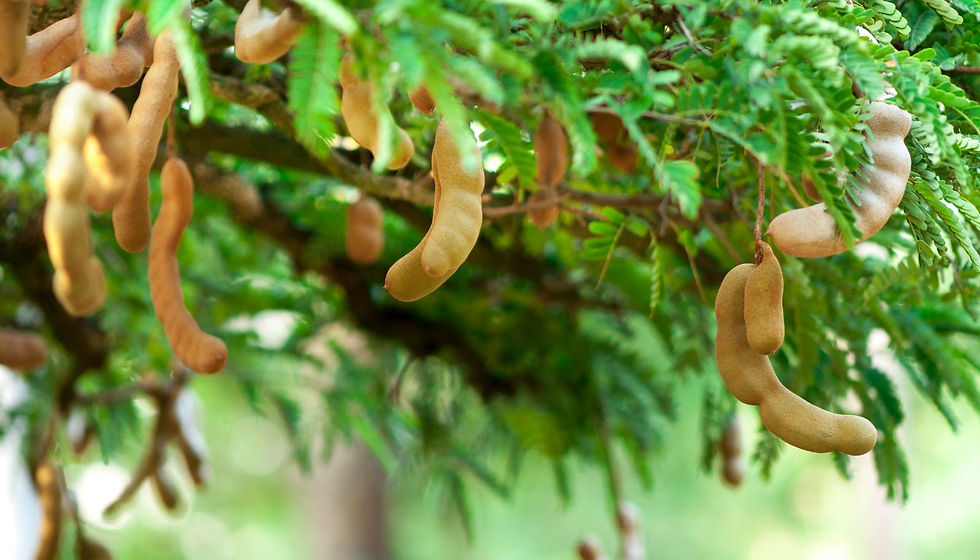
Tamarind is the fruit of the tamarind tree (Tamarindus indica), a leguminous tree native to tropical Africa but widely grown in South Asia, the Middle East, and Latin America. Encased in a brown, pod-like shell, the tamarind fruit contains a sticky, dark, and tangy-sweet pulp that surrounds hard seeds. This pulp is the part used in cooking, either fresh or processed into paste, concentrate, or blocks. Tamarind is known for its distinctive tart flavour, which adds brightness and complexity to a wide range of dishes, from chutneys and sauces to drinks and desserts.
History and Origins
Tamarind has a long and fascinating history, believed to have originated in tropical Africa before spreading to India and other parts of Asia thousands of years ago. From India, it travelled along ancient trade routes, becoming a staple in Middle Eastern, Persian, and later Latin American cuisines. The name "tamarind" comes from the Arabic "tamr hindī," meaning "Indian date," reflecting its early popularity in the region. Over centuries, traders, explorers, and colonial influences helped tamarind become a beloved ingredient across the world, prized for its unique flavour and versatility in both culinary and medicinal uses. Today, tamarind is an essential part of numerous global dishes, symbolising the rich history of spice exchange and cultural blending.
Cultivation and harvesting
Tamarind trees thrive in warm, tropical climates and can live for over a hundred years, often growing to impressive heights with their wide, spreading canopies. They are hardy and drought-resistant, making them well-suited to regions with long, dry seasons. Tamarind pods typically mature over several months, turning brown and brittle when ripe. Harvesting is done by hand, usually between late spring and early autumn, as workers carefully pick the pods to avoid damaging the tree or unripe fruit. Once collected, the pods are cracked open to extract the sticky pulp, which is then cleaned and either used fresh or processed into various forms for culinary use around the world.
Health benefits
Tamarind is not only valued for its unique flavour but also for its impressive health benefits. Rich in vitamins such as B1, B2, B3, and C, as well as minerals like potassium, magnesium, and phosphorus, tamarind supports overall wellbeing. Its high antioxidant content helps combat oxidative stress, while its natural tartaric acid is thought to aid digestion and support liver health. Traditionally, tamarind has been used as a gentle laxative and to soothe stomach discomfort. It also contains polyphenols that may have anti-inflammatory and heart-protective effects. However, like all foods, it’s best enjoyed in moderation as part of a balanced diet.
Culinary Uses
Tamarind is celebrated in kitchens worldwide for its ability to add a distinctive tangy depth to both sweet and savoury dishes. In Indian cuisine, tamarind is a key ingredient in chutneys, curries, and the popular street snack pani puri. Thai dishes such as pad thai rely on tamarind for their characteristic sweet-sour flavour, while in the Middle East and Latin America, it’s used in sauces, stews, and refreshing drinks like agua de tamarindo. Tamarind paste or concentrate can be stirred into marinades, glazes, and salad dressings, or combined with sugar to make candies and desserts. Its versatility makes it a true staple for adventurous cooks seeking to add complexity and brightness to their recipes.
Storage and Selection Tips
When selecting tamarind, look for pods that are unbroken and feel heavy for their size, indicating moist, fresh pulp inside. If buying tamarind paste or blocks, choose ones that are deep brown and free from any sour or fermented smell. Store whole pods in a cool, dry place, where they can last for several months. For paste or blocks, wrap tightly and refrigerate after opening to preserve freshness and prevent drying out—these can last for up to six months. Tamarind concentrate should be kept in the fridge and used within its best-before date. Always use clean utensils to avoid introducing moisture or contaminants that could spoil the tamarind.
Featured Recipe : Tamarind Chutney
Bring a burst of tangy-sweet flavour to your table with this classic tamarind chutney, perfect as a dip for samosas, drizzling over chaat, or pairing with grilled meats. Simply soak 100g of tamarind pulp in 200ml of warm water for 20 minutes, then strain and discard the seeds and fibres. In a small saucepan, combine the tamarind water with 100g of jaggery or brown sugar, 1 teaspoon of roasted cumin powder, ½ teaspoon of chilli powder, a pinch of salt, and simmer for 10-15 minutes until thickened. Allow to cool before serving. This chutney keeps well in the fridge for up to two weeks—enjoy its vibrant, versatile flavour with your favourite snacks!

Frequently asked questions
Is tamarind a fruit or a spice?
Tamarind is technically a fruit, but because of its culinary uses, it’s often considered a spice or flavouring agent
Can I substitute lemon or lime for tamarind in recipes?
While lemon or lime can provide acidity, they lack tamarind’s characteristic sweet-sour depth. For best results, use tamarind paste or concentrate when a recipe calls for it.
Is tamarind safe for everyone to eat?
Tamarind is generally safe for most people when consumed in moderate amounts, but those with diabetes should monitor their intake as it can affect blood sugar levels.
How do I use tamarind paste in cooking?
Tamarind paste can be stirred directly into sauces, curries, marinades, and dressings—usually a little goes a long way, so add gradually and taste as you go.
Where can I buy tamarind?
Tamarind is available in most supermarkets, especially in the international or Asian foods sections, as whole pods, paste, concentrate, or blocks.
Does tamarind have any health benefits?
Yes, tamarind is rich in vitamins, minerals, and antioxidants, and is traditionally used to aid digestion and add nutrients to your diet.
How should I store unused tamarind?
Whole pods can be kept in a cool, dry place, while paste or concentrate should be refrigerated and used within a few months for best flavour.
Conclusion
Tamarind’s irresistible blend of tanginess and sweetness has earned it a cherished place in kitchens around the world, bringing bold flavour and culinary creativity to countless dishes. Whether you’re new to tamarind or already a fan, exploring its history, health benefits, and versatile uses can open up a whole new world of taste experiences. With its rich cultural heritage and distinctive character, tamarind truly is a treasure of the spice world—one that deserves a spot in every adventurous cook’s pantry. So why not try adding a dash of tamarind to your next recipe and discover the unique magic it can bring to your table?
Happy cooking
Stevie


Comments