


The Wonderful World of Spices: Cinnamon

Cinnamon: The Sweet Wood
Cinnamon is a beloved spice that has been treasured for thousands of years, both for its warm, sweet flavour and its remarkable medicinal properties. Derived from the inner bark of trees belonging to the "Cinnamomum" genus, cinnamon is a staple in kitchens and traditional medicine cabinets around the world. While it adds a delightful aroma and taste to both sweet and savoury dishes, cinnamon is much more than a culinary favourite—it also boasts a host of health benefits.

So what is Cinnamon
Cinnamon is a popular spice made from the inner bark of trees belonging to the *Cinnamomum* genus. To produce cinnamon, the bark is carefully stripped from the tree, dried, and rolled into sticks called quills, or ground into a fine powder.
There are two main types of cinnamon commonly used around the world:
1. "Ceylon Cinnamon (True Cinnamon):" Known for its delicate, mildly sweet flavour, Ceylon cinnamon is often called “true cinnamon” and is mostly grown in Sri Lanka.
2. "Cassia Cinnamon:" More common and affordable, Cassia cinnamon has a stronger, spicier taste and is widely used in North America and Asia.
Cinnamon has been used for thousands of years, not just as a flavouring in food and drink, but also in traditional medicine, thanks to its natural compounds that contribute to both its taste and health benefits. Its pleasant aroma and taste make it a favourite ingredient in both sweet and savoury dishes worldwide.
History and Origins
History and Origins of Cinnamon:
Cinnamon has a rich and fascinating history that stretches back thousands of years. One of the world’s oldest known spices, it was highly prized in the ancient world—so much so that it was once considered more valuable than gold.
Ancient Beginnings: Cinnamon originated in the tropical regions of South and Southeast Asia, particularly in present-day Sri Lanka (formerly Ceylon), India, Myanmar (Burma), and Indonesia. The earliest records of cinnamon use date back to ancient Egypt, where it was prized for its fragrance, medicinal properties, and role in embalming rituals.
Trade and Value: For centuries, the true source of cinnamon was a closely guarded secret controlled by Arab traders. They created elaborate stories about how cinnamon was harvested to protect their lucrative monopoly. Cinnamon was transported by caravan and ship to the Middle East and Europe, where it became a luxury good reserved for royalty, nobility, and the wealthy.
Medieval and Renaissance Europe: In medieval Europe, cinnamon was a highly sought-after spice, used to flavour food, preserve meat, and even for medicinal purposes. It was a symbol of status and prosperity. The Portuguese discovered the main source of cinnamon in Sri Lanka during the 16th century and took control of the trade, later followed by the Dutch and the British.
Modern Day: Today, cinnamon is cultivated in several countries, including Sri Lanka, Indonesia, Vietnam, China, and India. While it is now widely available and affordable, cinnamon’s ancient allure and reputation as a precious spice remain.
Cultivation and Harvesting

Cinnamon is primarily cultivated in tropical regions, with Sri Lanka, Indonesia, Vietnam, China, and India being the top producers. The spice comes from the inner bark of evergreen trees belonging to the "Cinnamomum" genus.
Cultivation
Cinnamon trees thrive in warm, humid climates with well-drained, sandy soils. They are typically grown from cuttings or seeds and can reach heights of up to 10–15 meters if left unpruned. However, for commercial cultivation, the trees are kept much shorter to facilitate easier harvesting.
Harvesting
Harvesting cinnamon is a skillful and labour-intensive process that usually takes place during the rainy season, when the bark is more pliable:
1. "Cutting the Stems:" Mature stems—usually about two years old—are cut close to the ground.
2. "Peeling the Bark:" The outer bark is scraped off, and the inner bark is carefully loosened and peeled away in long strips.
3. "Rolling and Drying:" The strips of bark naturally curl into quills (sticks) as they dry. They are then cut to size and further dried in the shade to preserve their delicate flavour and aroma.
4. "Processing:" Once dried, the quills are sorted, graded, and either sold whole or ground into powder.
Sustainability
Cinnamon trees can regenerate from the same root system, making them a renewable resource. With proper care and periodic harvesting, a single plantation can produce cinnamon for many years.
Summary:
The careful cultivation and traditional harvesting methods not only ensure the highest quality cinnamon but also preserve the spice’s unique aroma and flavour, making each stick or sprinkle a testament to centuries-old agricultural wisdom.
Healthy Active Compounds and Nutritional Profile
Cinnamon owes its distinctive flavour, aroma, and health-promoting properties to a range of bioactive compounds and nutrients found in its bark. While cinnamon does not provide significant amounts of macronutrients due to the small quantities typically consumed, its real value lies in its active compounds. These natural chemicals are responsible for cinnamon’s medicinal effects, including its antioxidant, anti-inflammatory, and antimicrobial actions.
Active Compounds
1. "Cinnamaldehyde"
- The primary active compound in cinnamon, responsible for its signature taste and smell.
- Has potent antioxidant, anti-inflammatory, and antimicrobial properties.
2. "Eugenol"
- Found in higher amounts in Ceylon cinnamon.
- Offers antiseptic and analgesic effects.
3. "Coumarin"
- Present in higher concentrations in Cassia cinnamon.
- Has blood-thinning properties but can be harmful in large amounts.
4. "Cinnamic Acid and Cinnamate"
- Contribute to cinnamon's antioxidant activity.
5. "Polyphenols"
- Powerful antioxidants that help protect cells from damage and support overall health.
"Nutritional Profile" (per 1 teaspoon, about 2.6g, ground cinnamon)
Calories: 6
Carbohydrates: 2g
Fiber: 1.4g
Protein: 0.1g
Fat: 0g
Vitamins & Minerals:
Small amounts of calcium, iron, manganese, vitamin K, and vitamin B6.
Although cinnamon is used in small amounts, it is a surprisingly rich source of antioxidants and provides trace minerals that support various bodily functions.
Culinary Uses of Cinnamon
Cinnamon is one of the world’s most versatile and beloved spices, cherished for its warm, sweet, and slightly spicy flavour. Its unique aroma and taste make it a staple in both sweet and savoury dishes across various cuisines.
1.Sweet Dishes
"Baked Goods:" Cinnamon is a classic ingredient in pastries, cakes, cookies, and breads such as cinnamon rolls, apple pie, and snickerdoodles.
"Breakfast Foods:" Sprinkled over oatmeal, cereal, pancakes, waffles, or French toast for added flavour and aroma.
"Desserts:" Used in rice pudding, custards, ice cream, and fruit dishes like baked apples or poached pears.
2. Beverages
"Hot Drinks:" Stirred into coffee, tea, hot chocolate, or mulled wine for a cozy, aromatic boost.
"Smoothies:" Added to smoothies and shakes for a spicy-sweet kick.
3. Savory Dishes
"Curries and Stews:" Commonly used in Indian, Middle Eastern, and North African cuisines to add depth to curries, tagines, and stews.
"Rice and Meat Dishes:" Enhances the flavour of pilafs, biryanis, chili, and slow-cooked meats.
"Soups and Sauces:" Sometimes included in spice blends for soups, sauces, and marinades.
4. Spice Blends
"Mixes:" Key component of spice blends such as garam masala, Chinese five-spice, pumpkin pie spice, and chai masala.
5. Garnish and Flavour Enhancer
"Sprinkle:" Used as a finishing touch on top of lattes, cappuccinos, yogurt, or roasted nuts.
Forms of Cinnamon in Cooking
"Ground Cinnamon:" Commonly used for baking and mixing into foods and drinks.
"Cinnamon Sticks (Quills):" Used to infuse flavour into liquids like stews, mulled wine, and hot beverages, and can be removed before serving.
Summary:
Cinnamon’s ability to complement both sweet and savoury flavours makes it a kitchen essential. Whether ground or whole, it adds warmth, complexity, and a touch of sweetness to a wide variety of dishes enjoyed around the globe.
Storage and Selection Tips
Selecting Cinnamon
Types:
"Ceylon Cinnamon (True Cinnamon):" Light brown colour, delicate flavour, and softer, thinner sticks (quills). Often labeled as “Ceylon” or “true cinnamon.”
"Cassia Cinnamon:" Darker brown, stronger and spicier flavour, thicker and harder sticks. More commonly found and usually just labeled “cinnamon.”
Form:
"Ground Cinnamon:" Convenient for baking and sprinkling, but loses flavour faster.
"Cinnamon Sticks (Quills):" Retain flavour longer and are ideal for infusing liquids or slow-cooked dishes.
Quality:
- Buy from reputable brands or spice shops to ensure freshness and purity.
- Organic cinnamon is often preferred to avoid potential pesticides or contaminants.
Storing Cinnamon
"Keep it Cool and Dry:"
- Store cinnamon in an airtight container in a cool, dry, and dark place (such as a pantry or cupboard).
- Avoid exposure to heat, moisture, and direct sunlight, which can degrade flavour and potency.
"Shelf Life:"
-Ground Cinnamon: Best used within 6 months to a year for peak flavour, though it can last longer if stored properly.
- Cinnamon Sticks: Can keep their flavour for up to 2 years when stored correctly.
"Check Freshness:"
- Give it a sniff—fresh cinnamon should have a strong, sweet aroma.
- If the scent is weak or musty, it’s time to replace it.
"Avoid Cross-Contamination:"
- Use clean, dry spoons to scoop out cinnamon to prevent moisture from getting into the container.
Summary:
For the best flavour and health benefits, choose high-quality cinnamon, store it in airtight containers away from heat and light, and use it within the recommended time frame. Proper storage ensures that this golden spice remains fresh and aromatic for all your culinary and wellness needs!
Featured Recipe using Cinnamon
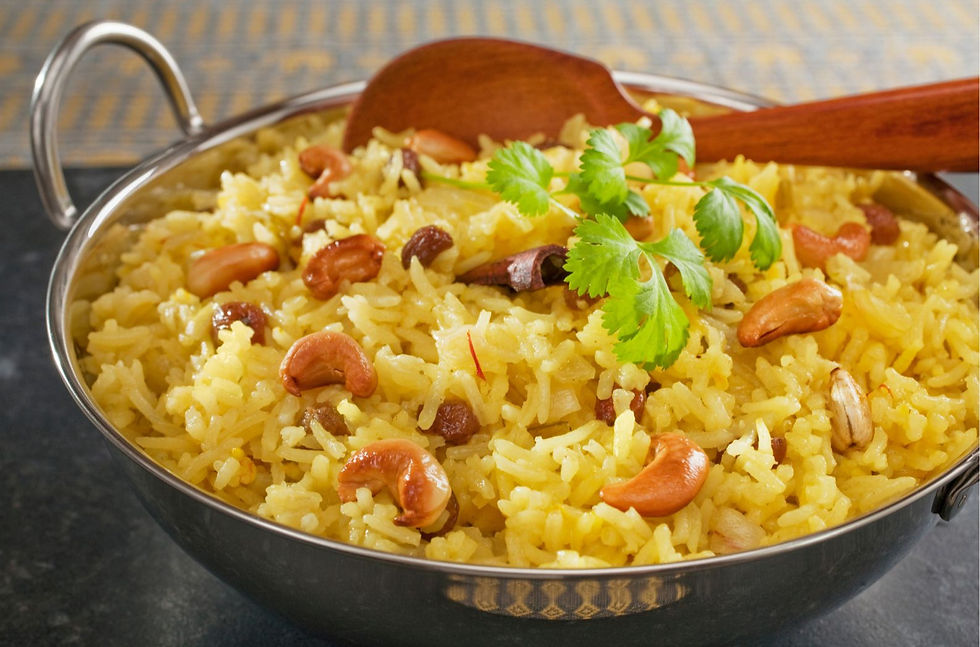
What better way to showcase the wonders of cinnamon than with a classic dish like fragrant pilau rice? Also known as pilaf, this beloved recipe has roots in the Middle East and South Asia, where it has been enjoyed for centuries. Pilau rice is celebrated for its aromatic medley of spices—especially cinnamon, cardamom, and cumin—which infuse each grain with a captivating fragrance and a warm, subtly nutty flavour.
Steeped in ancient culinary traditions, pilau rice has evolved into a versatile favourite that complements a variety of meats, vegetables, and curries. Its rich history and delightful depth of flavour have made it a staple on tables around the world. Join us as we explore the origins and irresistible taste of pilau rice—a dish where cinnamon truly shines.
Frequently asked questions
What is the difference between Ceylon and Cassia cinnamon?
Ceylon cinnamon, often called “true cinnamon,” has a lighter color and a mild, sweet flavor. Cassia cinnamon is darker, has a stronger, spicier taste, and is more commonly found in supermarkets. Ceylon is considered safer for regular consumption because it contains much less coumarin, a natural compound that can be harmful in large amounts.
Is eating cinnamon every day safe?
Consuming small amounts of cinnamon daily is generally safe for most people. However, large amounts—especially of Cassia cinnamon—can lead to health risks due to its coumarin content, which may affect the liver. Moderation is key, and Ceylon cinnamon is a safer choice for frequent use.
What are the main health benefits of cinnamon?
Cinnamon is rich in antioxidants and has anti-inflammatory, antimicrobial, and blood sugar-regulating properties. It may help reduce the risk of heart disease, support brain health, and improve insulin sensitivity.
Can cinnamon help with weight loss?
While cinnamon may help regulate blood sugar levels and curb appetite, it is not a weight loss solution by itself. It can be a helpful addition to a healthy diet and lifestyle, but results will vary from person to person.
How can I add cinnamon to my diet?
Cinnamon can be sprinkled on oatmeal, cereal, yogurt, or fruit. It’s delicious in baked goods, smoothies, coffee, and tea, or added to savory dishes like chili, stews, and curries.
Can people with diabetes use cinnamon?
Studies suggest that cinnamon may help lower blood sugar levels and improve insulin sensitivity, making it potentially beneficial for people with type 2 diabetes. However, it should not replace prescribed medication, and individuals should consult with their healthcare provider before making changes to their diet.
How should cinnamon be stored for freshness?
Store cinnamon in an airtight container, in a cool, dry, and dark place. Ground cinnamon lasts about 6–12 months, while cinnamon sticks can stay fresh for up to 2 years.
Are there any side effects or risks to using cinnamon?
Most people tolerate cinnamon well in typical food amounts. However, excessive consumption—especially of Cassia cinnamon—can cause liver damage or interact with certain medications. Allergic reactions and mouth irritation are rare but possible.
Conclusion
Cinnamon truly lives up to its name as “the sweet wood.” With its enchanting aroma, versatile culinary uses, and impressive array of health benefits, cinnamon has earned its place in kitchens and medicine cabinets around the world for centuries. Whether you’re sprinkling it on your morning oatmeal, adding depth to savoury dishes, or enjoying its natural healing properties, incorporating cinnamon into your daily routine is a simple and delicious way to support your overall well-being. As with all good things, moderation and mindful selection are key—so choose high-quality cinnamon, store it properly, and savour both its flavour and its many gifts to your health. Let this timeless spice inspire you to add warmth, richness, and a touch of golden goodness to every day.



Comments