


The Ultimate Guide to Chillies: Everything You Need to Know About Chilli Peppers
- Steve Holloway

- 4 days ago
- 44 min read
Updated: 2 days ago
Introduction
Welcome to the wonderful world of chillies! Whether you're adding a gentle warmth to a family curry or pushing your taste buds to the limit with one of the world's hottest peppers, chillies have an incredible ability to transform food.
From the humble bell pepper to the fearsome Carolina Reaper, there are thousands of chilli varieties grown across the globe. Each offers its own unique combination of heat, flavour, aroma and colour, making chillies one of the most versatile ingredients in any kitchen.
Here at Stevie's Curry Magic, chillies play a starring role in many recipes, especially authentic British Indian Restaurant (BIR) curries. But choosing the right chilli isn't always straightforward. How hot is a jalapeño compared with a serrano? What exactly is a chipotle? Why are some chillies fruity while others have a sharp, clean heat?
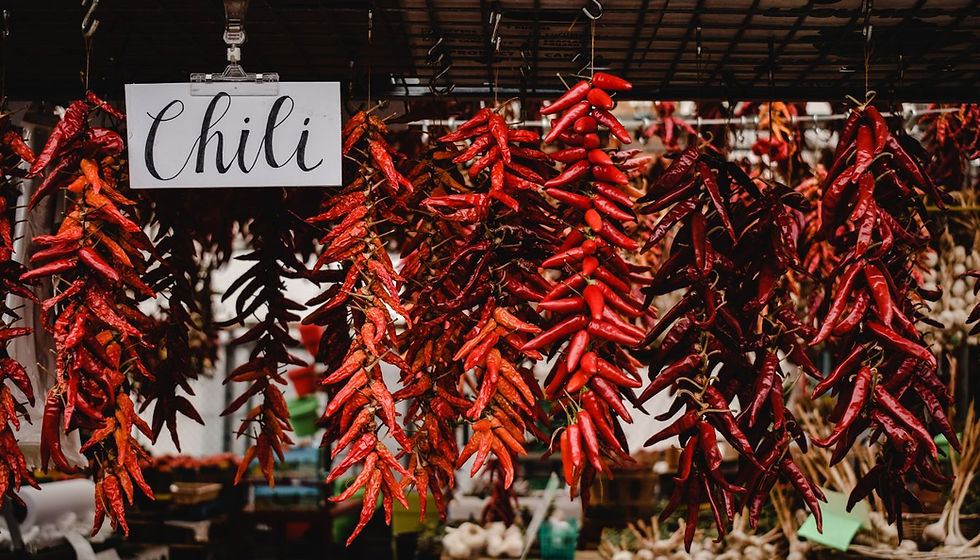
This guide answers those questions and many more.
Whether you're completely new to cooking with chillies or simply want to expand your knowledge, this guide will help you understand how chillies are grown, how their heat is measured, how to store them, and how to choose the right variety for every dish.
Along the way you'll also find links to our detailed guides covering each chilli variety in depth.
What Exactly Is a Chilli Pepper?
Most of us recognise a chilli pepper by its familiar fiery kick, but there's far more to these remarkable fruits than just heat. From sweet bell peppers with no heat at all to some of the hottest chillies on Earth, every variety belongs to the same fascinating plant family and shares a common ancestry that stretches back thousands of years.
Despite their incredible diversity in shape, colour, flavour and heat, all chilli peppers are members of the Capsicum genus. They originated in Central and South America before spreading around the world, where they have become one of the most widely cultivated and influential food crops in history.
In this section, we'll explore what makes a chilli pepper unique, where it came from, how it spread across the globe, and why there are now thousands of cultivated varieties enjoyed in cuisines from every corner of the world.
Member of the Capsicum Family
All chilli peppers belong to the Capsicum genus, a group of flowering plants in the nightshade (Solanaceae) family. This fascinating family also includes tomatoes, potatoes, aubergines (eggplants), and even tobacco. While these plants may seem very different, they all share a common botanical ancestry.
The five main domesticated Capsicum species are:
Capsicum annuum – The most widely grown species, including bell peppers, jalapeños, cayenne peppers, serranos and many other familiar varieties.
Capsicum chinense – Home to some of the world's hottest chillies, including habaneros, Scotch bonnets, ghost peppers and Carolina Reapers. Despite the name, this species did not originate in China.
Capsicum frutescens – Best known for producing Bird's Eye chillies and Tabasco peppers, prized for their sharp, fiery heat.
Capsicum baccatum – Recognised for its fruity flavour, this species includes the popular South American ají peppers.
Capsicum pubescens – A less common species with distinctive black seeds and thick, fleshy fruits, including the rocoto pepper.
One of the remarkable features of the Capsicum family is the incredible diversity it offers. From the sweet, heat-free bell pepper to the intensely hot Carolina Reaper, every chilli belongs to the same botanical group. What sets them apart is the amount of capsaicin they produce—the natural compound responsible for their heat—as well as their unique flavours, colours, shapes and aromas.
This remarkable variety is why chillies are such an essential ingredient in cuisines around the world. Whether you're looking for a gentle sweetness, a smoky depth or an intense fiery kick, there's a Capsicum variety perfectly suited to the job.
Native to Central and South America
Although chillies are now grown and enjoyed across the globe, their story began thousands of years ago in Central and South America. Archaeological evidence suggests that wild chilli peppers were first domesticated more than 6,000 years ago, making them one of the oldest cultivated crops in the Americas.
Early civilisations, including the Aztecs, Mayans, and Incas, valued chillies not only as a food ingredient but also for their medicinal properties and cultural significance. They were used to flavour meals, preserve food, and even featured in traditional remedies and religious ceremonies. For these ancient cultures, chillies were as important as maize and beans, forming part of their everyday diet.
The word "chilli" itself is believed to come from the Nahuatl language, spoken by the Aztecs, where the word chīlli referred to the fruit of the pepper plant. This ancient name has survived for centuries and is still used throughout much of the English-speaking world today.
When European explorers arrived in the Americas in the late 15th century, they encountered chillies for the first time. Fascinated by their vibrant colours and fiery flavour, they carried seeds back to Europe, where the plants quickly spread through trade routes to Africa, Asia and beyond.
Today, it's hard to imagine cuisines such as Indian, Thai, Mexican or Caribbean cooking without chillies. Yet despite becoming a defining ingredient in these food cultures, every cultivated chilli can trace its roots back to the fertile landscapes of Central and South America, where their remarkable journey first began.

Introduced Around the World After Columbus
The worldwide journey of the chilli pepper began in 1492, when Christopher Columbus reached the Americas while searching for a new sea route to Asia. During his voyages, he encountered chilli peppers being widely grown and used by Indigenous peoples. Mistaking their fiery flavour for that of black pepper, he called them "peppers"—a name that has remained ever since, even though chillies and black pepper are completely unrelated plants.
Columbus and other European explorers brought chilli seeds back to Spain, where they quickly attracted attention. Unlike expensive black pepper, which had to be imported from Asia, chillies were relatively easy to grow in warm climates and produced abundant harvests. Their striking colours, bold flavours and versatility soon made them popular throughout southern Europe.
It was the Portuguese and Spanish traders of the 16th century who truly transformed the chilli into a global ingredient. As they established trade routes across Africa, Asia and the Far East, they carried chilli seeds with them, introducing the plants to countries including India, China, Thailand and many parts of Southeast Asia.
The speed with which chillies spread around the world was remarkable. Within just a few decades, they had become established in regions where they had never existed before. Local farmers quickly adapted them to their own climates, and over time countless new varieties were developed, each with its own distinctive flavour, appearance and heat level.
Today, chillies are cultivated on every inhabited continent and are an essential ingredient in many of the world's best-loved cuisines. From Indian curries and Thai stir-fries to Mexican salsas and Caribbean jerk seasoning, it's hard to imagine these dishes without them. Yet this global success story all began with a handful of seeds carried across the Atlantic more than five centuries ago.
Now Grown on Every Continent Except Antarctica
From their origins in Central and South America, chilli peppers have spread so successfully that they are now cultivated on every inhabited continent, thriving in an astonishing range of climates. Whether grown in small home gardens, commercial glasshouses or vast agricultural fields, chillies have become one of the world's most widely cultivated crops.
They flourish best in warm, sunny conditions with well-drained soil, making tropical and subtropical regions ideal for large-scale production. Countries such as India, China, Mexico, Thailand, Indonesia and Turkey are among the world's leading chilli producers, growing millions of tonnes each year for both domestic use and export. In cooler climates, chillies are commonly grown in greenhouses or as seasonal garden plants.
One of the reasons for their global success is their remarkable adaptability. Plant breeders and growers have developed thousands of varieties suited to different climates, from sweet bell peppers and mild anaheim chillies to the intensely hot Carolina Reaper. This diversity allows chillies to be grown almost anywhere with the right care and growing conditions.
The only continent where chillies are not grown naturally is Antarctica. Its extreme cold, permanent ice and lack of suitable farmland make conventional cultivation impossible. Even so, chilli plants have occasionally been grown there in controlled scientific research stations using heated greenhouses and hydroponic systems, demonstrating just how adaptable these remarkable plants can be when given the right environment.
Today, chillies are a staple ingredient in countless cuisines around the world. Their incredible journey from a wild plant in the Americas to a global culinary icon is one of the greatest success stories in the history of food.
Thousands of Cultivated Varieties
One of the most remarkable things about chilli peppers is their incredible diversity. While they all belong to the Capsicum genus, there are thousands of cultivated varieties, each with its own unique combination of shape, size, colour, flavour and heat. From tiny bird's eye chillies no bigger than a fingernail to large, sweet bell peppers, the sheer range is astonishing.
Over thousands of years, farmers and plant breeders have selectively cultivated chillies to enhance desirable characteristics. Some varieties have been developed for their intense heat, while others are prized for their sweetness, smoky flavour, vibrant colour or high yields. This careful selection has resulted in an extraordinary collection of peppers suited to every type of cuisine and growing environment.
Heat levels also vary enormously. At one end of the scale is the bell pepper, which contains no capsaicin and therefore has 0 Scoville Heat Units (SHU). At the other extreme are super-hot varieties such as the Carolina Reaper, capable of exceeding 2 million SHU. Between these two extremes lies a vast selection of chillies, each offering its own balance of heat and flavour.
Some chillies, such as the jalapeño, are valued for their fresh, crisp taste and moderate heat, making them ideal for everyday cooking. Others, including the habanero and Scotch bonnet, are famous for combining intense heat with surprisingly fruity, tropical flavours. Dried varieties such as chipotle add a rich smoky depth, while cayenne is widely used in powdered form to bring warmth and colour to dishes.
This incredible variety is one of the reasons chillies are such an important ingredient in kitchens around the world. Whether you're looking for a mild sweetness, a gentle warming heat or an unforgettable fiery kick, there's a chilli perfectly suited to the task. As you explore The Ultimate Guide to Chillies, you'll discover the unique characteristics of many of the world's most popular varieties and learn how to make the most of each one in your own cooking.
The History of Chillies
The Remarkable Journey of the Chilli Pepper
The story of the chilli pepper is one of the most fascinating journeys in culinary history. Although chillies are now an essential ingredient in cuisines around the world, they began life thousands of years ago in the Americas, where they were first cultivated by Indigenous peoples long before European explorers arrived.
From their ancient origins, chillies travelled across the Atlantic with Christopher Columbus before being carried around the globe by Portuguese traders. Their arrival in India during the 16th century would transform the country's cooking forever, introducing a new source of heat that gradually became a defining feature of Indian cuisine.
Today, it's difficult to imagine a world without chillies. From authentic British Indian Restaurant curries and Thai stir-fries to Mexican salsas and Caribbean jerk seasoning, they have become one of the world's most important culinary ingredients. Yet despite their deep association with Indian cooking, chillies are not native to India. Their incredible journey from the Americas to becoming a cornerstone of Indian cuisine is a remarkable story of exploration, trade and cultural exchange.
In this section, we'll explore how a humble plant from Central and South America spread across the globe and forever changed the way we cook and enjoy food.
Ancient Cultivation
The history of chilli peppers stretches back thousands of years, making them one of the oldest cultivated food crops in the world. Archaeologists believe that wild chillies were first domesticated in Central and South America more than 6,000 years ago, although some evidence suggests people may have been gathering and using wild chilli peppers for even longer.
Early civilisations quickly recognised the value of chillies, not only for the heat and flavour they added to food but also for their versatility. They became a staple ingredient in the diets of the Aztecs, Mayans and Incas, who used them to season meat, vegetables and stews long before European explorers arrived in the Americas.
Beyond the kitchen, chillies also played an important role in everyday life. Historical records and archaeological discoveries indicate they were used in traditional medicines, religious ceremonies and even as a natural preservative. Their ability to add flavour and help preserve food made them an invaluable crop for early farming communities.
As generations of farmers saved seeds from their best plants, chillies gradually evolved into many different shapes, sizes and heat levels. This careful process of selective cultivation led to the remarkable diversity we see today, with thousands of varieties ranging from sweet bell peppers to some of the hottest chillies on Earth.
The ancient cultivation of chillies laid the foundations for their global success. What began as a wild plant growing in the Americas has become one of the world's most important culinary ingredients, enjoyed in countless cuisines and cherished by cooks for its ability to add flavour, colour and excitement to every meal.

Indigenous Peoples
Long before chillies were known to the rest of the world, they were an essential part of life for the Indigenous peoples of Central and South America. Civilisations such as the Aztecs, Mayans and Incas cultivated and valued chilli peppers for centuries, incorporating them into their daily diets, traditional medicine and cultural practices.
For many Indigenous communities, chillies were as important as staple crops like maize, beans and squash. They were used to season a wide variety of foods, adding flavour and heat to stews, sauces and roasted meats. Because chillies could be eaten fresh, dried or ground into powders, they were an incredibly versatile ingredient that could be enjoyed throughout the year.
Chillies also held significance beyond the kitchen. Historical accounts suggest they were used in traditional remedies to help relieve certain ailments, stimulate circulation and aid digestion. In some cultures, they played a role in religious ceremonies and were even used as offerings during important rituals. Their pungent aroma and fiery heat gave them a special place in the beliefs and traditions of many Indigenous societies.
The word "chilli" itself comes from the Nahuatl language spoken by the Aztecs, where the word chīlli referred to the fruit of the pepper plant. This ancient name has endured for centuries and is still used throughout much of the English-speaking world today.
Thanks to the knowledge and careful cultivation of these Indigenous peoples, chilli peppers developed into the diverse range of varieties we know today. Their expertise in selecting, growing and using chillies laid the foundations for one of the world's most influential food crops, long before European explorers introduced them to the rest of the world.
Arrival in Europe
The arrival of chilli peppers in Europe marked the beginning of one of the most remarkable journeys in culinary history. Following Christopher Columbus's first voyage to the Americas in 1492, chilli seeds were brought back to Spain, where Europeans encountered these vibrant and fiery fruits for the very first time.
Columbus had been searching for a new trade route to the valuable spices of Asia, particularly black pepper. When he tasted the spicy fruits used by Indigenous peoples, he believed they were related to the prized peppercorn and referred to them as "peppers." Although we now know that chilli peppers and black pepper come from entirely different plant families, the name has remained in use ever since.
At first, chillies were grown mainly as ornamental plants in monastery and palace gardens, admired for their colourful fruits and unusual appearance. However, it didn't take long for cooks to discover that they could add a wonderful depth of flavour and a pleasant warmth to food. Unlike black pepper, which was expensive and had to be imported over long distances, chillies were relatively easy to grow in the warmer regions of southern Europe.
Spain and Portugal quickly recognised the potential of this remarkable new crop. As chilli plants spread throughout the Iberian Peninsula, they became increasingly popular in local cooking, particularly in dishes that benefited from their colour, flavour and gentle heat. Farmers also found them easy to cultivate, producing generous harvests from relatively small plants.
The arrival of chillies in Europe was only the beginning of their global success. From Spanish and Portuguese ports, seeds were carried aboard trading ships to Africa, the Middle East and Asia, where they would soon become an indispensable ingredient in many of the world's most celebrated cuisines. Within just a few generations, the chilli pepper had travelled from a little-known crop of the Americas to one of the most widely used ingredients on Earth.
Portuguese Traders
While Christopher Columbus introduced chillies to Europe, it was the Portuguese traders who played the greatest role in spreading them across the world. During the 16th century, Portugal had established an extensive network of sea routes linking Europe with Africa, India, Southeast Asia and the Far East. Alongside valuable goods such as spices, silk and textiles, Portuguese merchants also carried seeds of newly discovered plants, including the chilli pepper.
One of the most significant moments in the history of chillies came when Portuguese traders introduced them to India. Before their arrival, Indian cuisine relied on ingredients such as black pepper, long pepper, ginger and mustard to provide heat and flavour. Chillies adapted exceptionally well to India's warm climate, and farmers quickly recognised their ease of cultivation, high yields and versatility in the kitchen.
Within a relatively short time, chillies became firmly established throughout the Indian subcontinent. Different regions began selecting and cultivating varieties that suited their local tastes and growing conditions, leading to famous Indian chillies such as Kashmiri, Byadgi and Guntur. Their vibrant colour, wide range of heat levels and ability to enhance countless dishes made them an essential ingredient in Indian cooking.
The Portuguese also introduced chillies to parts of Africa, China, Japan, Malaysia, Indonesia and other regions connected by their maritime trade routes. In each country, local growers developed new varieties and incorporated chillies into traditional recipes, creating many of the distinctive cuisines we know today.
It is remarkable to think that an ingredient now considered indispensable in Indian curries, Thai stir-fries, Chinese dishes and countless other cuisines was virtually unknown outside the Americas before the 16th century. Thanks largely to the Portuguese trading networks, the chilli pepper completed one of the fastest and most successful culinary journeys in history, becoming a truly global ingredient in just a few generations.

Spread into India
It's almost impossible to imagine Indian cuisine without chillies today, yet they are not native to India. Before the 16th century, Indian cooks relied on ingredients such as black pepper, long pepper (pippali), ginger and mustard to add warmth and spice to their dishes. These ingredients created rich, aromatic flavours, but the fiery heat we now associate with many Indian curries came later.
The introduction of chillies is widely credited to Portuguese traders, who brought them to India's west coast, particularly around Goa, during the early 1500s. The plants adapted exceptionally well to India's warm climate and fertile soils, thriving in conditions that allowed them to produce abundant crops. Farmers quickly realised that chillies were easy to grow, highly productive and suitable for a wide range of regional cuisines.
Their popularity spread rapidly across the Indian subcontinent. Within a few generations, chillies had become an everyday ingredient in homes, markets and professional kitchens. Local farmers began selecting and cultivating varieties with different levels of heat, colour and flavour, leading to many of the famous Indian chillies still used today, including Kashmiri, Byadgi, Guntur and Kanthari.
Chillies transformed Indian cooking by adding not only heat but also vibrant colour and depth of flavour. They became an essential ingredient in curries, pickles, chutneys, spice blends and street food, complementing traditional spices such as cumin, coriander, turmeric and fenugreek. Today, they are used fresh, dried, smoked and ground into powders, making them one of the most versatile ingredients in Indian cuisine.
India is now one of the world's largest producers, consumers and exporters of chillies. The ingredient that arrived from the Americas more than 500 years ago has become so deeply woven into India's culinary heritage that many people are surprised to learn it was ever an import. It is a remarkable example of how a single plant can travel across the world and become an integral part of a nation's food culture.

How Chillies Eventually Replaced Black Pepper in Many Cuisines
Before chilli peppers arrived from the Americas, black pepper was the world's most prized source of heat. Native to the Malabar Coast of southern India, black pepper had been traded for thousands of years and was so valuable that it was often referred to as "black gold." Its high price helped drive the great voyages of exploration, as European nations searched for faster sea routes to the lucrative spice markets of Asia.
When chillies were introduced during the 16th century, they offered something that black pepper could not. They were easy to grow, highly productive and well suited to warm climates. A single chilli plant could produce dozens of peppers in one season, allowing farmers to grow large quantities without relying on expensive imports. This made chillies an affordable source of heat for ordinary households as well as professional cooks.
As chillies spread through Asia, Africa and Europe, they gradually became the preferred ingredient for adding spice to food. Their popularity wasn't based on price alone. Unlike black pepper, which provides a sharp, warming heat, chillies come in an enormous range of varieties, each with its own unique flavour, aroma and level of heat. Some are sweet and fruity, others smoky, earthy or intensely fiery, giving cooks far greater flexibility when creating dishes.
In India, chillies blended perfectly with traditional spices such as cumin, coriander, turmeric and fenugreek, becoming a natural addition to curries, pickles and spice blends. Similar changes took place in Thailand, China, Korea, Mexico and many other parts of the world, where local cuisines embraced chillies and developed distinctive regional dishes around them.
This didn't mean black pepper disappeared. It remains one of the world's most important spices and is still used extensively for its unique flavour and gentle warmth. However, in many cuisines, chillies became the primary source of heat, while black pepper took on a supporting role as a seasoning.
Today, both spices have an important place in the kitchen. Black pepper adds subtle warmth and complexity, while chillies offer an extraordinary range of flavours and heat levels. Together, they continue to shape some of the world's most popular and flavourful cuisines, proving that there is room for both on the spice rack.
Understanding Chilli Heat
One of the things that makes chilli peppers so fascinating is their incredible range of heat levels. Some, like the sweet bell pepper, contain no heat at all, while others, such as the Carolina Reaper, are capable of producing an intense, fiery sensation that can challenge even the most experienced chilli lovers.
But what actually makes a chilli hot? Why do some peppers produce only a gentle warmth while others seem to set your mouth on fire? The answer lies in a remarkable natural compound called capsaicin.
What is Capsaicin?
Capsaicin is the naturally occurring chemical responsible for the heat in chilli peppers. It is produced primarily in the placental tissue—the pale white membrane inside the chilli where the seeds are attached—rather than in the seeds themselves. Although many people believe the seeds are the hottest part of a chilli, they only become spicy because they are coated with capsaicin during the fruit's development.
From the plant's perspective, capsaicin is a clever defence mechanism. It helps protect the fruit from mammals, which are more likely to destroy the seeds by chewing them. Birds, however, are unaffected by capsaicin because they lack the receptors that detect it. They happily eat the fruit and spread the seeds over long distances, helping chilli plants reproduce naturally.
When you eat a chilli, capsaicin binds to pain receptors in your mouth and throat known as TRPV1 receptors. These receptors normally respond to high temperatures, so your brain interprets the chemical as though your mouth has been exposed to intense heat. In reality, nothing is physically burning—the sensation is simply your nervous system reacting to capsaicin.
The amount of capsaicin varies enormously between different chilli varieties. Sweet bell peppers contain virtually none, while super-hot chillies such as the Carolina Reaper produce exceptionally high concentrations, creating the intense heat for which they are famous.
The Scoville Scale
Because chillies vary so much in heat, a standard way of measuring their pungency was needed. In 1912, American pharmacist Wilbur Scoville developed a system that became known as the Scoville Scale.
Heat is measured in Scoville Heat Units (SHU). The higher the SHU value, the greater the concentration of capsaicin and the hotter the chilli will taste.
Originally, the Scoville Test involved diluting chilli extracts with sugar water until a panel of tasters could no longer detect any heat. While this method was groundbreaking for its time, it relied on human taste, making the results somewhat subjective.
Today, scientists use High-Performance Liquid Chromatography (HPLC) to measure capsaicin levels accurately in a laboratory. The results are then converted into Scoville Heat Units, giving a reliable indication of a chilli's heat.
It's worth remembering that SHU figures are usually given as a range rather than a single number. Factors such as climate, sunlight, soil conditions, watering and the maturity of the fruit can all influence how much capsaicin a chilli produces.
Comparing the Heat of Popular Chillies
The following table gives an idea of how some of the world's most popular chillies compare on the Scoville Scale.
Chilli | Typical Scoville Heat Units (SHU) | Heat Level |
Bell Pepper | 0 | No Heat |
Poblano | 1,000–2,000 | Very Mild |
Jalapeño | 2,500–8,000 | Mild |
Serrano | 10,000–23,000 | Medium |
Cayenne | 30,000–50,000 | Hot |
Thai Bird's Eye | 50,000–100,000 | Very Hot |
Habanero | 100,000–350,000 | Extremely Hot |
Scotch Bonnet | 100,000–350,000 | Extremely Hot |
Bhut Jolokia (Ghost Pepper) | 800,000–1,000,000+ | Super Hot |
Carolina Reaper | 1,500,000–2,200,000+ | Extreme |
Heat Isn't Everything
It's easy to assume that the hottest chilli is always the best, but experienced cooks know that flavour is just as important as heat. Every chilli has its own unique character. Some varieties are sweet and fruity, others are earthy, smoky, grassy or even slightly floral.
A jalapeño, for example, offers a fresh, crisp flavour with a gentle kick, making it perfect for salsas and nachos. A habanero delivers a surprisingly fruity, tropical taste before its intense heat develops, while a chipotle—made by smoking and drying ripe jalapeños—adds a deep, smoky richness that is completely different from its fresh counterpart.
When choosing a chilli, think about the flavour you want to achieve as well as the heat level. The best chilli for a dish isn't necessarily the hottest one—it's the one whose flavour complements the other ingredients and creates the balance you're looking for.
Do Chillies Only Add Heat?
One of the biggest misconceptions about chilli peppers is that they're simply a way of making food hotter. While heat is certainly one of their defining characteristics, experienced cooks know that chillies offer far more than just a fiery kick. In fact, every variety has its own unique flavour profile, and choosing the right chilli can transform a dish just as much as choosing the right herb or spice.
Some chillies are prized for their sweetness, others for their rich smokiness, while some contribute bright, fresh flavours with only a gentle warmth. This is why two curries made with different chillies can taste completely different, even if they have a similar level of heat.
Learning to appreciate the flavours of chillies, rather than focusing solely on their Scoville rating, opens up a whole new world of cooking possibilities.
Fruity
Many people are surprised to discover that some of the hottest chillies in the world are also among the fruitiest. Varieties such as the Habanero and Scotch Bonnet have a distinctive tropical flavour with hints of mango, apricot and citrus before their intense heat takes over.
These natural fruity notes make them perfect for Caribbean cooking, fruit salsas, hot sauces and marinades, where their sweetness complements ingredients such as pineapple, mango and lime.
Smoky
Some chillies develop an entirely new character when they are smoked and dried. The best-known example is the Chipotle, which is simply a ripe jalapeño that has been slowly smoked over wood.
Smoking gives the chilli a deep, rich flavour with notes of wood, earth and gentle sweetness. Chipotle is widely used in barbecue sauces, stews, Mexican dishes and even some British Indian Restaurant recipes where a subtle smoky background enhances the overall flavour.
Earthy
Earthy chillies provide a rich, rounded depth that blends beautifully with slow-cooked dishes. Rather than delivering an immediate burst of heat, they contribute warmth and complexity that develops gradually.
These varieties are often used in curries, chilli con carne, casseroles and traditional sauces, where they add body and richness without overpowering the other ingredients.
Citrus
Certain chillies produce bright, fresh flavours with subtle citrus notes that lift a dish rather than dominate it. These lively characteristics work especially well with seafood, salads, Thai dishes and light curries, where freshness is just as important as heat.
When combined with ingredients such as lime, coriander and fresh herbs, citrus-flavoured chillies create vibrant, well-balanced dishes.
Grassy
Green chillies harvested before they fully ripen often have a crisp, grassy flavour that is fresh and slightly vegetal. This clean taste is one of the reasons why green jalapeños and serranos are so popular in salsas, salads and fresh relishes.
Their bright flavour adds freshness while still providing a pleasant level of warmth.
Sweet
Not every chilli is fiery. Sweet peppers, including bell peppers, contain virtually no capsaicin but still deliver a delicious sweetness and vibrant colour to countless dishes.
Even many hot chillies become naturally sweeter as they ripen from green to red, developing a fuller, richer flavour alongside their heat. This balance of sweetness and spice is one of the reasons ripe red chillies are so widely used in sauces, curries and roasted dishes.
Floral
Some chillies have surprisingly delicate floral aromas that add elegance as well as heat. These subtle notes are particularly noticeable in certain Capsicum chinense varieties, including habaneros and Scotch bonnets.
Although their intense heat often grabs the attention first, taking time to appreciate these delicate aromas reveals why they are so highly valued by chefs around the world.
Choosing Chillies for Flavour
When selecting a chilli, don't ask yourself only "How hot is it?" Ask "What flavour will it bring to my dish?"
A smoky chipotle can completely change a stew, a fruity habanero can transform a tropical salsa, while a fresh jalapeño adds brightness and crunch to a salad. Heat is only one part of the story. The real magic of chillies lies in the incredible range of flavours they contribute.
By understanding these differences, you'll become a more confident cook and begin choosing chillies for their character as well as their heat. Once you start thinking this way, you'll discover that every chilli has its own personality—and that's what makes cooking with them such a rewarding experience.
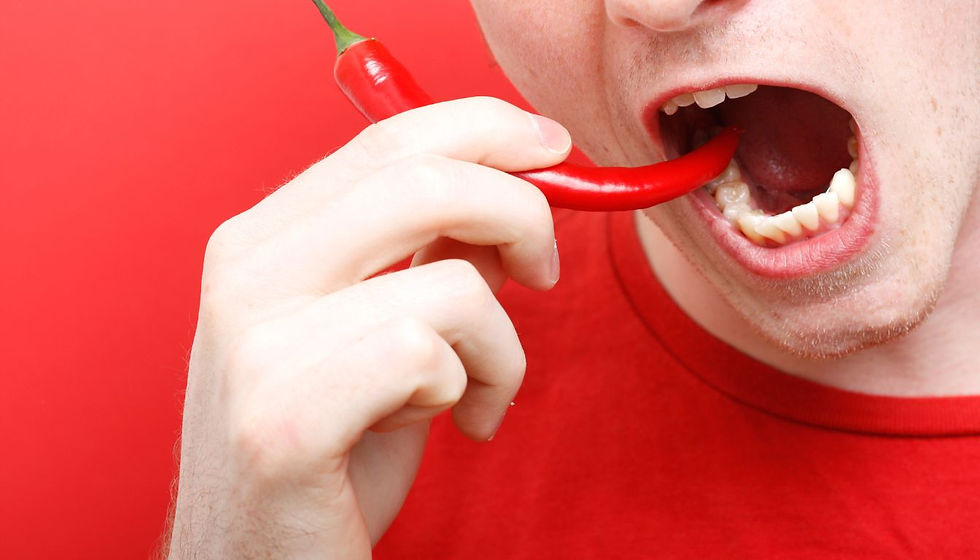
Fresh, Dried and Smoked Chillies
One of the reasons chilli peppers are such versatile ingredients is that they can be enjoyed in many different forms. Whether used fresh from the plant, dried for long-term storage, ground into powder or slowly smoked to develop rich new flavours, each preparation offers something unique.
Although the level of heat may remain similar, the flavour, aroma and texture of a chilli can change dramatically depending on how it has been processed. Understanding these differences will help you choose the right type of chilli for every recipe.
Fresh Chillies
Fresh chillies offer the brightest flavours and are often prized for their crisp texture and vibrant colour. Depending on the variety, they can be sweet, grassy, fruity or intensely hot, making them suitable for everything from fresh salsas and salads to curries, stir-fries and marinades.
Because fresh chillies contain a high percentage of water, they add moisture as well as flavour to a dish. They are typically chopped, sliced or left whole and can be used with or without the seeds and white membrane, depending on the desired level of heat.
Fresh chillies are best stored in the refrigerator, where they will usually keep for one to two weeks. They can also be frozen if you want to preserve them for longer, although they may lose some of their crisp texture after thawing.
Dried Chillies
Drying is one of the oldest methods of preserving chillies and has been used for centuries. As the moisture is removed, the flavours become more concentrated, often developing deeper, richer and slightly earthy characteristics.
Dried chillies are widely used in Indian, Mexican, Chinese and many other cuisines. They may be added whole to hot oil, soaked before blending into sauces, or ground into powders for seasoning.
Properly stored in an airtight container away from heat and sunlight, dried chillies can retain their flavour for many months, making them a convenient cupboard staple.
Chilli Powders
Chilli powder is made by grinding dried chillies into a fine powder. Depending on the variety used, powders can range from mild and sweet to intensely hot.
For example, Kashmiri chilli powder is valued for its rich red colour and mild heat, making it ideal for curries that need vibrant colour without excessive spice. Cayenne pepper, on the other hand, is considerably hotter and is often used in small amounts to increase the heat of a dish.
Because chilli powders disperse quickly throughout food, they provide an easy way to control both colour and heat while creating evenly balanced flavours.
Chilli Flakes
Chilli flakes are made by crushing dried chillies into small pieces rather than grinding them into a fine powder. They provide bursts of heat and texture, making them popular as a finishing ingredient as well as a seasoning during cooking.
They're commonly sprinkled over pizzas, pasta dishes, roasted vegetables and soups, while also adding extra warmth to curries and stir-fries. Since the flakes often contain pieces of skin and seeds, they release their heat gradually as they cook.
Keeping chilli flakes in an airtight container away from direct sunlight helps preserve both their flavour and colour.
Smoked Chillies – The Magic of Chipotle
Perhaps the best-known smoked chilli is the chipotle. Many people are surprised to learn that a chipotle isn't a separate variety of chilli at all—it's simply a fully ripened red jalapeño that has been slowly smoked and dried.
This traditional smoking process transforms the jalapeño completely. The fresh, grassy flavour develops into a rich combination of smoky, earthy and slightly sweet notes, while still retaining its familiar warmth.
Chipotle is widely used in Mexican cooking, barbecue sauces, marinades, stews and chilli con carne, where its distinctive smoky character adds depth that cannot be achieved with fresh chillies alone. It can be purchased whole and dried, ground into powder or preserved in a rich tomato-based adobo sauce, each offering its own unique flavour profile.
Which Should You Choose?
There is no single "best" form of chilli—it all depends on the dish you're preparing.
Fresh chillies provide vibrant flavour, colour and texture.
Dried chillies deliver deeper, more concentrated flavours.
Chilli powders offer convenience and consistent seasoning.
Chilli flakes add texture and a gradual release of heat.
Smoked chillies, such as chipotle, contribute a rich smoky complexity that is difficult to replicate with any other ingredient.
The more you experiment with different forms of chillies, the more you'll discover how each one can transform a dish. Even the same variety can take on a completely different character depending on whether it's used fresh, dried or smoked, giving you endless possibilities in the kitchen.
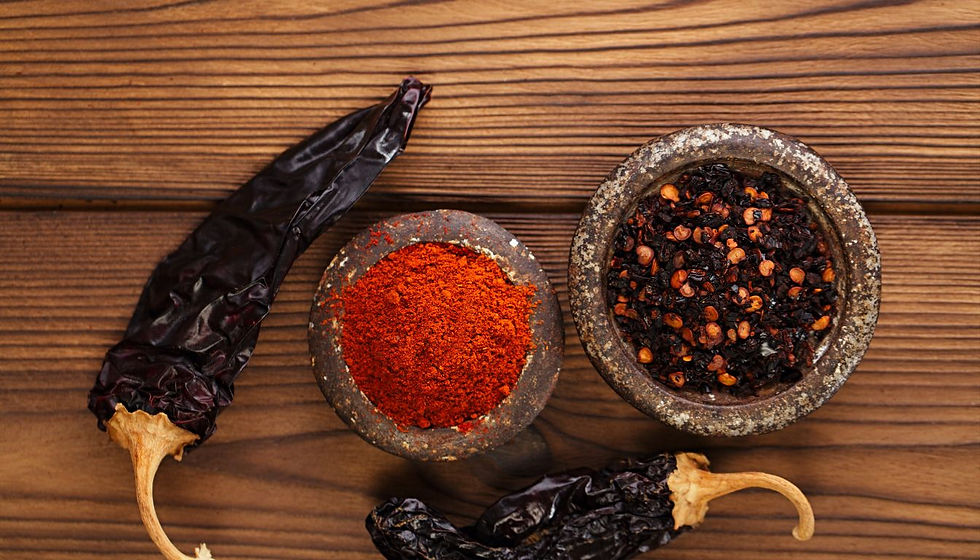
Chilli Pastes
Chilli pastes are made by blending fresh or dried chillies with ingredients such as garlic, vinegar, oil, salt and spices to create a smooth, concentrated seasoning. Depending on the recipe and country of origin, they can range from mild and aromatic to intensely hot and deeply savoury.
Different cuisines have developed their own distinctive chilli pastes. Indian cooking often uses fresh chilli pastes to add heat and freshness to curries and marinades, while Thai cuisine features vibrant red and green curry pastes packed with herbs and spices. Korean gochujang is a fermented chilli paste with a rich, sweet and savoury flavour, and many Mexican sauces begin with blended dried chillies to create a smooth, intensely flavoured base.
Chilli pastes are an excellent way to add both heat and complexity to a dish. Because the chillies are already blended, their flavour disperses evenly throughout sauces, soups, curries and stir-fries, making them easy to use and simple to control.
Once opened, most chilli pastes should be stored in the refrigerator and used according to the manufacturer's instructions. Homemade versions can also be frozen in small portions, making them convenient to use whenever needed.
Frozen Chillies
Freezing is one of the easiest ways to preserve fresh chillies while retaining most of their flavour and heat. Unlike many vegetables, chillies freeze exceptionally well and can often be used straight from the freezer without thawing, making them a practical ingredient to keep on hand.
Whole chillies can simply be washed, dried and placed into freezer bags or airtight containers. They can also be sliced or chopped before freezing, allowing you to remove only the amount needed for a recipe.
Although freezing softens the flesh slightly as the water inside the chilli expands, this has very little impact when the chillies are used in cooked dishes such as curries, soups, sauces and stir-fries. They may lose some of their crisp texture, so fresh chillies are still the better choice for salads, garnishes and salsas where texture is important.
For anyone who regularly cooks with chillies, keeping a selection in the freezer is a simple way to reduce waste and ensure fresh chillies are always available whenever inspiration strikes.
Chilli Colours Explained
One of the first things you'll notice about chilli peppers is their incredible range of colours. From bright green and sunny yellow to deep purple, rich chocolate brown and vibrant red, chillies are among the most colourful fruits in the plant world.
Many people assume that a chilli's colour determines how hot it is, but this isn't always the case. While colour often indicates the stage of ripeness, the relationship between colour, flavour and heat is far more complex. Different varieties naturally ripen to different colours, and each stage of ripening brings subtle changes in taste, aroma and texture.
Understanding these colour changes will help you choose the right chilli for your cooking and appreciate why the same variety can taste quite different as it matures.
Green Chillies
Green chillies are usually unripe peppers that have been picked before reaching full maturity. They tend to have a fresh, crisp, slightly grassy flavour with a bright, clean heat that works well in many dishes.
Because they are harvested earlier, green chillies are often firmer and less sweet than their fully ripened counterparts. Popular examples include jalapeños, serranos and many Indian green chillies, which are widely used in curries, chutneys, stir-fries and fresh salsas.
Yellow Chillies
Yellow chillies are less common than green or red varieties but are highly prized for their bright appearance and gentle sweetness. Some are harvested while ripening, while others naturally mature to a vibrant yellow.
Many yellow chillies have a slightly milder, fruitier flavour than red varieties, making them ideal for sauces, salads and pickles where colour and freshness are just as important as heat.
Orange Chillies
Orange chillies often represent the next stage of ripening and are known for their attractive colour and well-balanced flavour. Many develop a pleasant sweetness while retaining a lively level of heat.
Some famous varieties, including certain habaneros, naturally ripen to a brilliant orange, combining tropical fruit flavours with impressive heat. Their vibrant colour also makes them popular in hot sauces and colourful salsas.
Red Chillies
Red is the colour most people associate with ripe chillies. As the fruit matures, natural sugars develop, producing a fuller, richer flavour than the earlier green stage.
Many red chillies are sweeter and slightly more complex than their green counterparts while maintaining similar—or sometimes even greater—heat levels. They are widely used fresh, dried and ground into powders, making them one of the most versatile ingredients in kitchens around the world.
Purple Chillies
Purple chillies are among the most striking varieties grown today. Their dramatic colour comes from natural pigments called anthocyanins, the same compounds that give blueberries, red cabbage and aubergines their rich colouring.
Some purple chillies remain purple when fully ripe, while others gradually turn red as they mature. They are often grown as ornamental plants because of their beautiful appearance, although many varieties are perfectly edible and offer flavours ranging from mild to surprisingly hot.
Chocolate Chillies
Chocolate chillies have nothing to do with cocoa or chocolate flavour. The name simply refers to their deep brown colour, which develops naturally as certain varieties ripen.
These unusual chillies often possess rich, earthy and smoky flavour notes that make them particularly popular in sauces, marinades and slow-cooked dishes. Varieties such as the Chocolate Habanero combine this distinctive flavour with intense heat, making them favourites among experienced chilli enthusiasts.
How Chillies Ripen
Most chilli peppers begin life as green fruits, gradually changing colour as they mature. Depending on the variety, they may ripen to yellow, orange, red, purple, chocolate brown or even cream and peach shades.
As a chilli ripens, several important changes take place:
Natural sugars increase, giving the fruit a sweeter, fuller flavour.
The colour deepens as pigments develop.
The aroma becomes more complex, often revealing fruity or floral notes.
The texture softens slightly, making ripe chillies ideal for roasting and sauces.
Heat levels may increase or stabilise, depending on the variety and growing conditions.
It's important to remember that colour alone does not determine how hot a chilli is. A green jalapeño can be much milder than a red habanero, while a fully ripe yellow chilli may be hotter than a red one from another variety. The variety itself plays a far greater role in determining heat than its colour.
Choosing Chillies by Colour
While colour can give useful clues about flavour and ripeness, it should be seen as a guide rather than a rule. Green chillies often bring freshness and a crisp bite, while fully ripened red, orange and yellow varieties usually offer greater sweetness and depth of flavour. Purple and chocolate chillies add both visual appeal and distinctive flavour characteristics.
The best approach is to think of colour as part of a chilli's personality. Combined with its variety, heat level and flavour profile, colour helps you choose the perfect chilli for every recipe and allows you to create dishes that are as beautiful as they are delicious.
Popular Chilli Varieties
With thousands of chilli varieties grown around the world, choosing the right one can seem overwhelming. Each chilli has its own unique personality, offering a different combination of heat, flavour, colour and culinary uses.
This guide is the home of The Ultimate Guide to Chillies series. As new articles are published, you'll find them added here, creating a comprehensive library that explores everything from mild everyday peppers to some of the hottest chillies on Earth.
Our first guide is available now, with many more coming soon.
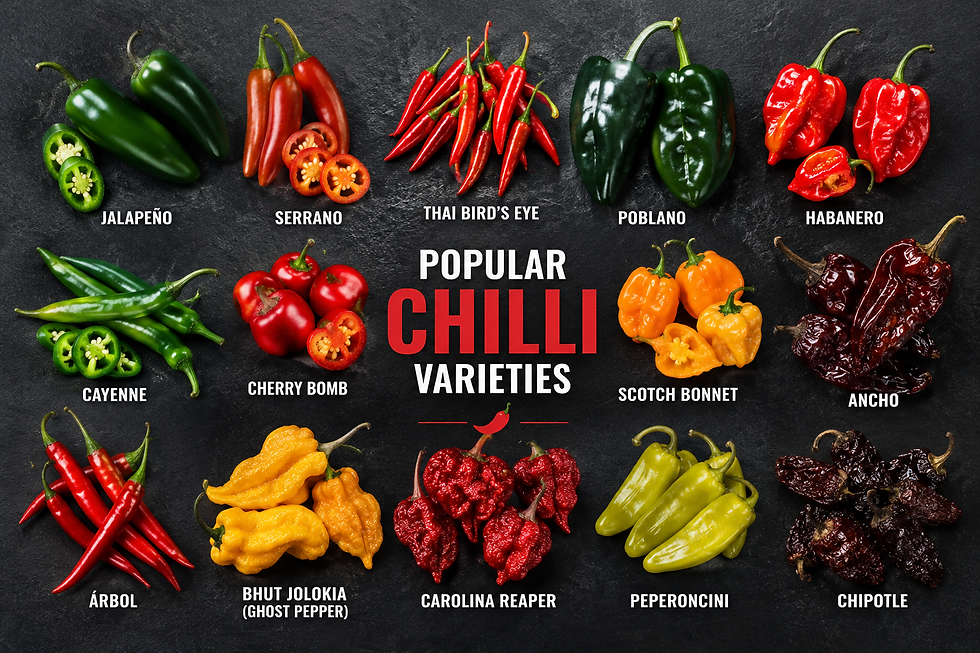
🌶 Jalapeño
Heat: 2,500–8,000 SHU
Flavour: Fresh, grassy with a gentle warmth.
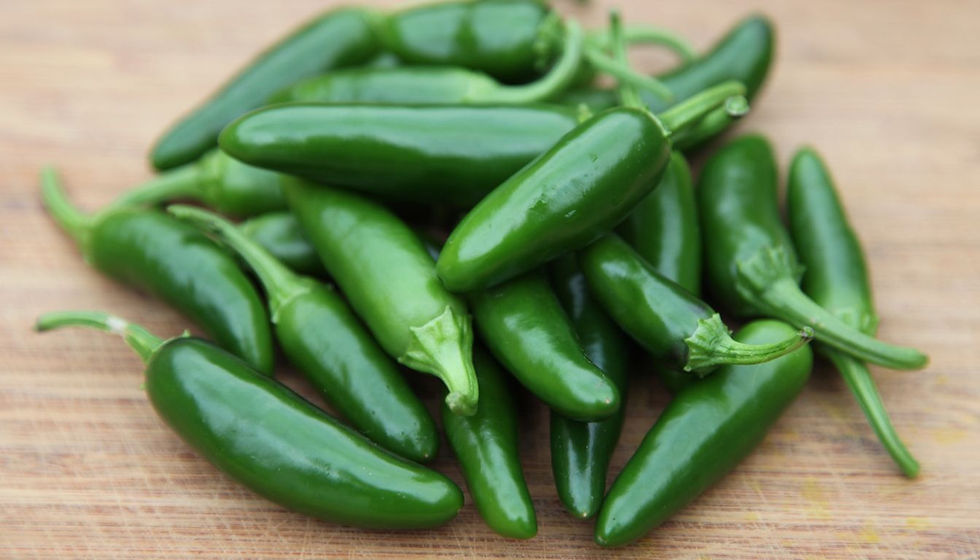
Perhaps the world's best-known chilli, the jalapeño is loved for its balanced flavour and approachable heat. It's incredibly versatile and can be enjoyed fresh, pickled, stuffed, grilled or smoked to create the famous chipotle chilli.
Read our complete Jalapeño guide
Coming Soon
The Ultimate Guide to Chillies is just getting started! Over the coming weeks and months, we'll be adding detailed guides covering many of the world's most popular chilli peppers.
Here's what's coming soon:
🌶 Bell Pepper
🌶 Poblano
🌶 Anaheim
🌶 Serrano
🌶 Cayenne
🌶 Thai Bird's Eye
🌶 Habanero
🌶 Scotch Bonnet
🌶 Chipotle
🌶 Fresno
🌶 Hungarian Wax
🌶 Cherry Pepper
🌶 Bhut Jolokia (Ghost Pepper)
🌶 Carolina Reaper
...and many more!
Each guide will explore:
🌶 History and origins
🔥 Scoville heat rating
👃 Flavour profile
🍽️ Best culinary uses
🌍 Where it's grown
❤️ Health benefits
💡 Stevie's Tips
🍛 Recipes featuring that chilli
Be sure to bookmark this page and check back regularly as we continue building one of the most comprehensive chilli resources on Stevie's Curry Magic.
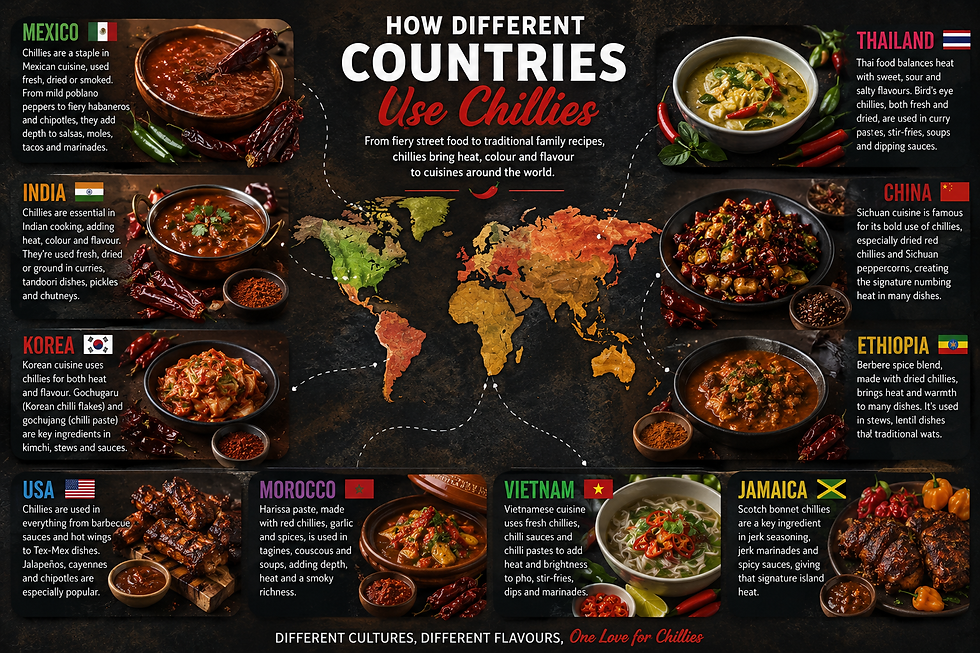
How Different Countries Use Chillies
Few ingredients have travelled the world as successfully as the humble chilli pepper. Although chillies originated in Central and South America, they have become an essential part of countless cuisines, with each country embracing different varieties, cooking techniques and flavour combinations.
Some cultures use chillies to create gentle warmth and balance, while others celebrate their intense heat. Fresh, dried, smoked and powdered chillies all play unique roles, giving every cuisine its own distinctive character.
Let's explore how some of the world's best-known food cultures use chillies in their everyday cooking.
🇮🇳 India
It's almost impossible to imagine Indian cuisine without chillies, yet they only arrived in the country during the 16th century through Portuguese traders. Today, they are one of the defining ingredients of Indian cooking and are used in an incredible variety of ways.
Fresh green chillies add brightness and heat to curries, dals and chutneys, while dried red chillies are often fried in hot oil to release their rich flavour before being added to sauces and spice blends. Ground chilli powders, including the famous Kashmiri chilli powder, provide vibrant colour as well as gentle warmth, while hotter varieties such as Guntur chillies deliver a more intense kick.
In British Indian Restaurant (BIR) cooking, chillies are carefully balanced with spices such as cumin, coriander, turmeric and garam masala to create rich, layered flavours rather than overwhelming heat. The goal is almost always harmony, allowing the spices and ingredients to complement one another.
🇹🇭 Thailand
Thai cuisine is famous for its bold, vibrant flavours, where sweet, sour, salty, spicy and aromatic ingredients all work together in perfect balance. Chillies play a central role in achieving this harmony.
Small but fiery Thai Bird's Eye chillies are among the most widely used varieties, bringing a clean, sharp heat to curries, stir-fries, soups and dipping sauces. They are often pounded into curry pastes alongside garlic, lemongrass, galangal, kaffir lime leaves and shrimp paste to create the complex flavour bases that Thai cooking is known for.
Rather than adding heat for its own sake, Thai cooks use chillies to brighten dishes and complement fresh herbs, coconut milk, fish sauce and citrus, creating meals that are lively, fragrant and beautifully balanced.
🇲🇽 Mexico
As the birthplace of the chilli pepper, Mexico has one of the richest chilli traditions in the world. Hundreds of varieties are grown throughout the country, each valued for its unique flavour as much as its heat.
Fresh chillies such as jalapeños, serranos and poblanos are used in salsas, tacos, soups and everyday cooking. Dried chillies, including ancho, guajillo and pasilla, are equally important, adding rich, earthy flavours to traditional sauces such as mole.
Mexico is also famous for chipotle, a ripe jalapeño that has been slowly smoked and dried. This traditional process creates a wonderfully smoky flavour that has become popular in cuisines around the world.
For Mexican cooks, choosing a chilli is about far more than heat. Different varieties are selected to add sweetness, smokiness, fruitiness or depth, allowing each dish to develop its own distinctive character.
🇨🇳 China
China's vast regional cuisines use chillies in very different ways, from the fiery dishes of Sichuan and Hunan to the milder flavours found in other parts of the country. Rather than simply creating heat, chillies are used to build layers of flavour and aroma.
Fresh red and green chillies are commonly stir-fried with meat and vegetables, while dried chillies are fried in oil to release their rich flavour before being added to dishes. One of the most famous examples is Sichuan cuisine, where dried chillies are combined with Sichuan peppercorns to create the unique sensation known as málà—a combination of spicy heat and the distinctive tingling numbness of the peppercorns.
Chilli oils, pastes and fermented chilli sauces are also widely used throughout China, adding depth and complexity to everything from noodles and dumplings to stir-fries and hot pots.
🇰🇷 Korea
Chillies are central to Korean cooking, providing not only heat but also the rich colour and distinctive flavour found in many traditional dishes.
One of the country's most important ingredients is gochugaru, a vibrant red chilli powder made from sun-dried Korean chillies. It has a mild to medium heat with a naturally sweet, smoky flavour and is an essential ingredient in kimchi, soups, stews and marinades.
Another staple is gochujang, a fermented chilli paste made with chilli powder, glutinous rice and fermented soybeans. Its unique combination of sweetness, savoury depth and gentle heat makes it one of Korea's most recognisable ingredients and a favourite with cooks around the world.
🇯🇲 Caribbean
Caribbean cooking is famous for its bold flavours, and few ingredients are more closely associated with the region than the Scotch Bonnet chilli. Although incredibly hot, this chilli is also prized for its sweet, fruity and slightly floral flavour, making it an essential ingredient in many traditional Caribbean dishes.
Scotch Bonnets are widely used in jerk marinades, curries, stews, pepper sauces and tropical fruit salsas, where their intense heat is balanced by ingredients such as mango, pineapple, coconut and citrus.
Caribbean cooks understand that the best chillies don't simply add fire—they contribute flavour, aroma and character that define the region's vibrant cuisine.
🇬🇧 British Indian Restaurant (BIR) Cooking
Here at Stevie's Curry Magic, British Indian Restaurant cooking holds a special place. One of the biggest misconceptions about BIR curries is that they're all about making dishes as hot as possible. In reality, professional curry chefs use chillies with remarkable skill and restraint.
Rather than relying on extreme heat, BIR cooking focuses on balance. Fresh green chillies, chilli powder and sometimes dried chillies are carefully combined with spices such as cumin, coriander, turmeric, paprika and garam masala to create rich layers of flavour. The aim is to enhance the curry, not overpower it.
Different curries use chillies in different ways. A Korma may contain little or no chilli, allowing creamy, aromatic flavours to shine through, while a Madras, Vindaloo or Phaal gradually increases the level of heat without losing the underlying spice profile. The chilli should always support the dish, not dominate it.
One of the key lessons in mastering authentic BIR cooking is learning to choose the right chilli for the right recipe. Understanding how different chillies contribute flavour, colour and heat allows you to recreate restaurant-quality curries with confidence and consistency.
Chillies Unite the World's Great Cuisines
From the fragrant curries of India and the vibrant flavours of Thailand to the rich traditions of Mexico, China, Korea, the Caribbean and British Indian Restaurant cooking, chillies have become one of the world's most influential ingredients.
Each cuisine has embraced them in its own unique way, proving that chillies are about far more than simply adding heat. They bring colour, aroma, sweetness, smokiness, fruitiness and depth, helping to create many of the world's most memorable dishes.
As you explore the individual guides in The Ultimate Guide to Chillies, you'll discover how each variety has earned its place in kitchens around the world and learn how to use them to bring authentic flavour to your own cooking.
One Ingredient, Endless Possibilities
Although each country uses chillies in its own unique way, they all share one thing in common: a respect for the incredible variety these remarkable peppers offer.
Whether it's the carefully balanced curries of India, the vibrant freshness of Thai cuisine or the rich tradition of Mexican cooking, chillies contribute far more than simple heat. They bring colour, aroma, flavour and personality to every dish they touch.
As you explore the individual chilli guides in this series, you'll discover how each variety has found its own place in kitchens around the world and why choosing the right chilli can make all the difference to your cooking.
Health Benefits of Chillies
Chilli peppers are valued around the world for their incredible flavour and versatility, but they also contain a variety of nutrients and naturally occurring plant compounds that can contribute to a healthy, balanced diet. While no single food is a miracle ingredient, including chillies as part of a varied diet may offer several nutritional benefits.
From vitamins and antioxidants to the unique compound capsaicin, chillies provide much more than just heat.
Vitamin C
Many people are surprised to learn that chillies are an excellent source of Vitamin C, an essential nutrient that supports the normal functioning of the immune system and helps the body produce collagen, which is important for healthy skin, blood vessels, bones and cartilage.
Vitamin C also acts as an antioxidant, helping to protect cells from damage caused by free radicals. Fresh chillies generally contain the highest levels, although some of this vitamin is lost during cooking and drying.
Vitamin A
Red, orange and yellow chillies are particularly rich in beta-carotene, a natural pigment that the body converts into Vitamin A.
Vitamin A plays an important role in maintaining normal vision, supporting the immune system and helping to keep skin healthy. As chillies ripen and change colour, their beta-carotene content often increases, making fully ripe peppers especially nutritious.
Antioxidants
Chillies contain a wide range of natural antioxidants, including Vitamin C, carotenoids and flavonoids. These compounds help protect the body's cells from oxidative stress, which occurs naturally as part of everyday life.
Different coloured chillies contain different combinations of these beneficial plant compounds. For example, red chillies are rich in carotenoids, while purple varieties contain anthocyanins, the same natural pigments found in blueberries and red cabbage.
Eating a colourful variety of fruits and vegetables, including chillies, is a simple way to increase your intake of these valuable nutrients.
Capsaicin
The compound responsible for a chilli's heat, capsaicin, has been widely studied by scientists for many years. In addition to creating the familiar warming sensation, research suggests that capsaicin may have a number of interesting biological properties.
It is commonly used in certain topical creams and patches designed to help relieve some types of nerve and muscle pain. Researchers continue to investigate its wider effects on the body, although many areas of study are still ongoing.
For most people, enjoying chillies in moderation as part of a balanced diet is a safe and enjoyable way to experience this remarkable natural compound.
Can Chillies Boost Your Metabolism?
You've probably heard claims that eating chillies can help you burn more calories. There is some scientific evidence that capsaicin may temporarily increase the body's energy expenditure and heat production, a process known as thermogenesis.
However, the effect is generally small and short-lived, and eating chillies alone is unlikely to make a significant difference to body weight. Maintaining a healthy weight still depends on a balanced diet, regular physical activity and an overall healthy lifestyle.
That said, chillies can make healthy meals more enjoyable by adding plenty of flavour without relying on excessive amounts of fat, sugar or salt.
Enjoy Chillies as Part of a Balanced Diet
Whether you prefer the gentle sweetness of a bell pepper or the fiery kick of a habanero, chillies can be a colourful and nutritious addition to your cooking. They provide valuable vitamins, beneficial plant compounds and distinctive flavours that make healthy meals more exciting and satisfying.
Like all foods, they're best enjoyed as part of a varied, balanced diet. By choosing the right chilli for the right recipe, you can enjoy not only their heat but also their remarkable flavour and nutritional value.
Growing Your Own Chillies
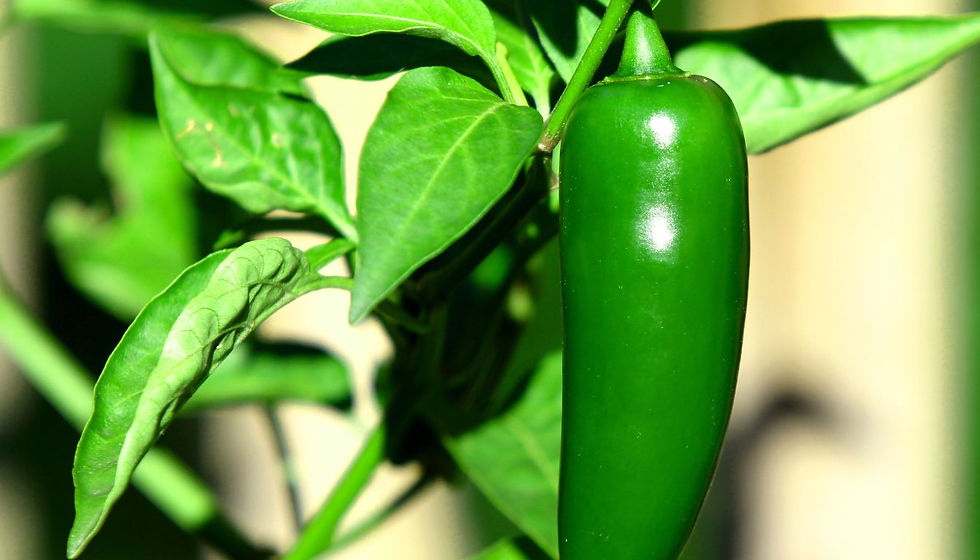
Growing your own chilli peppers is one of the most rewarding ways to enjoy fresh, flavour-packed ingredients straight from the plant. Whether you have a large garden, a small patio or just a sunny windowsill, chillies are surprisingly easy to grow and can provide an abundant harvest throughout the growing season.
Many varieties thrive in containers, making them ideal for beginners and experienced gardeners alike. With a little sunshine, regular watering and occasional feeding, even a single plant can produce dozens of colourful peppers.
If you've never grown chillies before, don't worry—they're much easier to grow than many people think.
Choosing the Right Variety
The first step is deciding which chilli you'd like to grow. There are thousands of varieties available, ranging from sweet bell peppers with no heat to some of the hottest chillies in the world.
Beginners often have the greatest success with reliable varieties such as jalapeños, cayenne, serranos and bird's eye chillies, as these are generally productive and relatively easy to care for. If you enjoy milder flavours, bell peppers and anaheim chillies are excellent choices, while experienced growers may wish to experiment with habaneros, Scotch bonnets or even Carolina Reapers.
When choosing a variety, think about how you plan to use your harvest. Some chillies are perfect for fresh cooking, others are better suited to drying, smoking or making sauces.
Growing in Containers
One of the biggest advantages of chilli plants is that they grow exceptionally well in pots and containers. This allows you to move them to the sunniest spot, protect them from poor weather and even bring them indoors if temperatures begin to fall.
Choose a container with good drainage holes and fill it with a high-quality compost or well-draining potting mix. As the plant grows, it may need support from a small cane or stake, especially once it begins producing heavy crops of peppers.
Container-grown plants also make watering and feeding much easier, giving you greater control over growing conditions.
Sunlight
Chillies love warmth and sunshine. Ideally, they should receive at least six to eight hours of direct sunlight each day, although even more is beneficial in cooler climates.
A sunny patio, greenhouse, conservatory or south-facing windowsill provides excellent growing conditions. In particularly hot climates, such as here in Cyprus, a little light afternoon shade during the hottest part of the day can help prevent plants from becoming stressed while still allowing them to receive plenty of sunlight.
Healthy plants rewarded with lots of sunshine usually produce stronger growth, more flowers and a larger harvest.
Watering
Regular watering is essential, but chilli plants dislike sitting in waterlogged soil. Allow the surface of the compost to dry slightly before watering again, then water thoroughly so moisture reaches the roots.
During hot weather, container-grown plants may need watering daily, while those growing in the ground often require less frequent watering. Consistent moisture helps encourage healthy growth and reduces the risk of flowers dropping before fruit develops.
Avoid wetting the leaves whenever possible, especially in humid conditions, as this can encourage fungal diseases.
Harvesting
One of the most satisfying moments for any grower is harvesting the first ripe chillies. Most varieties can be picked either green or left on the plant to fully ripen into shades of yellow, orange, red, purple or chocolate, depending on the variety.
Harvesting regularly encourages many chilli plants to continue producing new flowers and fruit throughout the season. Simply snip the peppers from the plant using scissors or secateurs, or gently twist them free without damaging the stems.
Freshly harvested chillies can be used immediately, stored in the refrigerator, frozen for later use or dried to enjoy throughout the year.
A Rewarding Hobby
Growing your own chillies is about much more than saving money. It gives you the opportunity to experience flavours that are often difficult to find in supermarkets, experiment with unusual varieties and enjoy the satisfaction of cooking with ingredients you've grown yourself.
Whether you harvest a handful of jalapeños for homemade salsa or a basket full of bird's eye chillies for your favourite curry, few gardening experiences are as rewarding as picking fresh chillies straight from the plant and taking them directly into the kitchen.
Storing Chillies
Whether you've bought a handful of fresh chillies or harvested a bumper crop from your garden, storing them correctly helps preserve their flavour, colour and heat for as long as possible. Different storage methods suit different needs, from keeping fresh chillies for everyday cooking to creating dried powders that can last for months.
The best method depends on how you plan to use your chillies, but with a little preparation, very little needs to go to waste.
Fresh Chillies
Fresh chillies are best stored in the refrigerator, where they'll usually stay in good condition for one to two weeks, depending on the variety and how fresh they were when picked.
Store them unwashed in a paper bag or a loosely sealed container to allow a little airflow while preventing excess moisture from building up. Wash them only when you're ready to use them, as excess moisture can shorten their shelf life.
If a chilli begins to soften slightly, it's often still perfectly suitable for cooking in curries, sauces or stir-fries.
Frozen Chillies
Freezing is one of the easiest ways to preserve chillies while retaining most of their flavour and heat.
Whole chillies can simply be placed into freezer bags or containers without any preparation, while chopped or sliced chillies can be frozen in smaller portions for convenience. Frozen chillies soften once thawed, making them ideal for cooked dishes, although they're less suitable for salads or garnishes where a crisp texture is important.
Many cooks add frozen chillies straight into the pan without thawing, making them a convenient ingredient to keep on hand throughout the year.
Drying Chillies
Drying is one of the oldest methods of preserving chillies and concentrates both their flavour and heat. Small, thin-walled varieties such as bird's eye or cayenne chillies dry particularly well, although many other types can also be dried successfully.
Chillies can be air-dried in warm, dry conditions, dehydrated using a food dehydrator or dried slowly in a low-temperature oven. Once completely dry, they should feel brittle rather than flexible.
Store dried chillies in an airtight container away from direct sunlight, where they'll retain their quality for many months.
Making Chilli Powder
Once your chillies are fully dried, they're easy to turn into homemade chilli powder using a spice grinder or dedicated coffee grinder.
Grinding your own powder allows you to control the heat level and flavour while avoiding unnecessary additives often found in commercial products. Different varieties produce very different results, from the vibrant colour of Kashmiri chillies to the smoky richness of chipotle or the intense heat of habaneros.
Always allow the powder to settle before opening the grinder, as airborne chilli dust can be extremely irritating to your eyes and lungs.
Store homemade chilli powder in airtight jars in a cool, dark cupboard for the best flavour.
Vacuum Sealing
For long-term storage, vacuum sealing is one of the most effective methods available. Removing the air helps slow oxidation, preserving flavour, colour and aroma while reducing the risk of freezer burn when freezing.
Fresh, frozen and dried chillies can all be vacuum sealed, making this an excellent option if you grow large quantities or buy chillies in bulk. Properly sealed packs also take up less space and make it easy to portion chillies for future recipes.
For the longest storage life, vacuum-sealed chillies should still be kept in appropriate conditions, such as the freezer for fresh produce or a cool, dry cupboard for dried chillies.
Store Them Well, Enjoy Them Longer
With the right storage method, you can enjoy chillies long after the harvest season has ended. Whether you keep them fresh in the refrigerator, freeze them for convenience, dry them for intense flavour or grind them into your own chilli powder, preserving chillies is simple and rewarding.
A well-stocked kitchen with a variety of properly stored chillies means you'll always have the perfect pepper ready for your next curry, stir-fry, salsa or sauce.
Safety Tips When Handling Chillies
Most chilli peppers are perfectly safe to handle and enjoy, but the hotter varieties deserve a little extra care. The natural compound capsaicin, which gives chillies their heat, can easily transfer to your skin, eyes and other sensitive areas, causing an intense burning sensation.
Fortunately, a few simple precautions will help you prepare chillies safely and comfortably.

Handling Hot Peppers
The hotter the chilli, the more capsaicin it contains. Varieties such as habaneros, Scotch bonnets, ghost peppers and Carolina Reapers can leave capsaicin on your hands long after you've finished preparing them.
When chopping chillies:
Use a stable chopping board and a sharp knife.
Avoid touching your face while preparing them.
Wash your hands thoroughly after handling.
Clean knives, boards and work surfaces before preparing other foods.
Taking a few extra moments to clean up properly helps prevent accidental transfer of chilli oils later.
Wear Gloves for Extra-Hot Chillies
Disposable food-safe gloves are highly recommended when working with particularly hot chillies or preparing large quantities.
Gloves prevent capsaicin from soaking into your skin, making it much less likely that you'll accidentally spread the oils to your eyes or face. They're especially useful when making hot sauces, chilli pastes or processing dried super-hot peppers.
Simply remove the gloves carefully when you've finished and dispose of them before washing your hands.
Avoid Eye Contact
One of the most common kitchen accidents is rubbing your eyes after handling chillies.
Even tiny amounts of capsaicin can cause intense stinging, watering and discomfort. If this happens, avoid rubbing your eyes, as it usually makes the irritation worse.
Instead:
Rinse the eye gently with plenty of clean, cool water or sterile saline solution.
Remove contact lenses if you wear them.
Continue flushing until the irritation begins to ease.
If severe pain, blurred vision or persistent irritation continues, seek medical advice promptly.
How to Remove Chilli Burn from Your Skin
If your hands are burning after handling chillies, washing with soap and water may not remove all of the capsaicin because it is an oil-based compound.
You can often reduce the burning sensation by:
Washing thoroughly with washing-up liquid or a grease-cutting soap.
Rubbing your hands with a little cooking oil before washing to help dissolve the capsaicin.
Using milk, yoghurt or other dairy products, which contain casein, a protein that can help lift capsaicin from the skin.
Giving it time—the sensation usually fades naturally.
Avoid touching your eyes or other sensitive areas until you're confident all traces have been removed.
Keep Chillies Away from Children
Brightly coloured chillies can look appealing to young children, but even mild varieties may cause significant discomfort if eaten or rubbed into the eyes.
Store fresh, dried and powdered chillies out of reach of children, and supervise young helpers carefully if they're assisting with food preparation.
Teaching children to respect rather than fear chillies is the safest approach.
Don't Forget Your Pets
Dogs, cats and many other household pets are much more sensitive to spicy foods than humans. Chillies can cause irritation to the mouth, stomach and digestive system and are best kept well away from curious pets.
Store chilli products securely and avoid leaving prepared food unattended where pets may be tempted to investigate.
A Little Care Goes a Long Way
Chillies are one of the world's most exciting ingredients, and with a few simple precautions they're perfectly safe to prepare and enjoy.
By wearing gloves when needed, washing your hands thoroughly and handling hotter varieties with a little extra respect, you can concentrate on what really matters—creating delicious food with confidence.
Frequently Asked Questions
Here are answers to some of the most common questions people ask about chilli peppers.
Which chilli is best for beginners?
If you're new to cooking with chillies, start with milder varieties such as jalapeños, anaheim or poblano peppers. They offer plenty of flavour without overwhelming heat and are incredibly versatile in curries, salsas, stir-fries and grilled dishes. As your confidence grows, you can gradually experiment with hotter varieties.
What's hotter than a jalapeño?
A jalapeño typically measures between 2,500 and 8,000 Scoville Heat Units (SHU). Hotter alternatives include serranos, cayenne, Thai bird's eye chillies, habaneros, Scotch bonnets, ghost peppers and the Carolina Reaper, one of the hottest chillies in the world.
Are green chillies hotter than red chillies?
Not necessarily. Green chillies are usually unripe versions of the same pepper, while red chillies have been left to fully mature. As chillies ripen, they often become sweeter and develop more complex flavours. Some varieties also become hotter, although this varies from one chilli to another.
Can you freeze chillies?
Yes. Chillies freeze extremely well and retain most of their flavour and heat. They can be frozen whole, sliced or chopped and are ideal for adding directly to curries, soups, stir-fries and sauces without needing to thaw them first.
What is a chipotle?
A chipotle is simply a fully ripe red jalapeño that has been slowly smoked and dried. This traditional Mexican process gives the chilli its rich, smoky flavour while preserving it for long-term storage. Chipotles are widely used in sauces, marinades and barbecue dishes.
Which chilli is best for curry?
There isn't a single "best" chilli—it depends on the style of curry you're making. Fresh green chillies are popular in many Indian and British Indian Restaurant (BIR) recipes, while Kashmiri chilli powder is prized for its vibrant red colour and gentle heat. Hotter varieties can be added in moderation when a spicier curry is desired, but the aim should always be to create a balanced flavour rather than simply increasing the heat.
Are dried chillies hotter than fresh chillies?
Drying doesn't usually increase the amount of capsaicin in a chilli, but removing the water concentrates its flavour. As a result, dried chillies often seem hotter and richer than their fresh counterparts. Different drying methods can also add new flavours, such as the distinctive smokiness of chipotle.
How do I reduce chilli heat in food?
If a dish becomes too spicy, avoid adding more chilli! Instead, try balancing the heat by adding ingredients such as yoghurt, cream, coconut milk or a little butter, depending on the recipe. A small amount of sweetness or extra sauce can also help mellow the heat. Simply adding water usually spreads the capsaicin rather than reducing its effect.
Final Thoughts
Chillies are among the most fascinating ingredients in the culinary world. From their ancient origins in Central and South America to their place at the heart of cuisines across India, Thailand, Mexico, China, Korea, the Caribbean and beyond, they've transformed the way people cook and enjoy food.
Whether you prefer the gentle warmth of a jalapeño or the fiery intensity of a Carolina Reaper, every chilli has its own unique combination of flavour, aroma and heat. Learning how to choose and use the right variety opens up endless possibilities in the kitchen.
We hope The Ultimate Guide to Chillies has given you the knowledge and confidence to explore these remarkable peppers. As our collection of individual chilli guides continues to grow, this page will remain your central resource for discovering new varieties, mastering different cooking techniques and finding the perfect chilli for every recipe.
So don't be afraid to experiment. Taste, learn and enjoy the incredible diversity that chilli peppers have to offer—and above all, have fun cooking!


Comments