


Jalapeño: The Iconic Pepper That Adds a Kick to Every Dish.
- Steve Holloway

- 5 days ago
- 17 min read
Updated: 2 days ago
Introduction
The jalapeño is one of the world's most recognisable chilli peppers, celebrated for its fresh flavour, vibrant colour and approachable heat. Native to Mexico, this versatile chilli has earned its place in kitchens across the globe, bringing just the right balance of warmth and flavour to an incredible variety of dishes.
Unlike some chillies that are prized purely for their intense heat, the jalapeño is loved for its versatility. Its crisp texture, slightly grassy flavour and gentle kick make it equally at home in fresh salsas, tacos and nachos as it is in curries, stir-fries, burgers and homemade sauces. Whether enjoyed fresh, pickled, roasted or smoked into the famous chipotle, the jalapeño offers a unique flavour that has made it one of the most popular chillies in the world.
In this guide, we'll explore everything you need to know about jalapeños—from their fascinating history and place in Mexican cuisine to their heat level, flavour profile, culinary uses, growing tips and health benefits. Whether you're completely new to cooking with chillies or looking to expand your knowledge, you'll soon discover why the humble jalapeño has become a favourite of cooks everywhere.
So what are jalapeño peppers
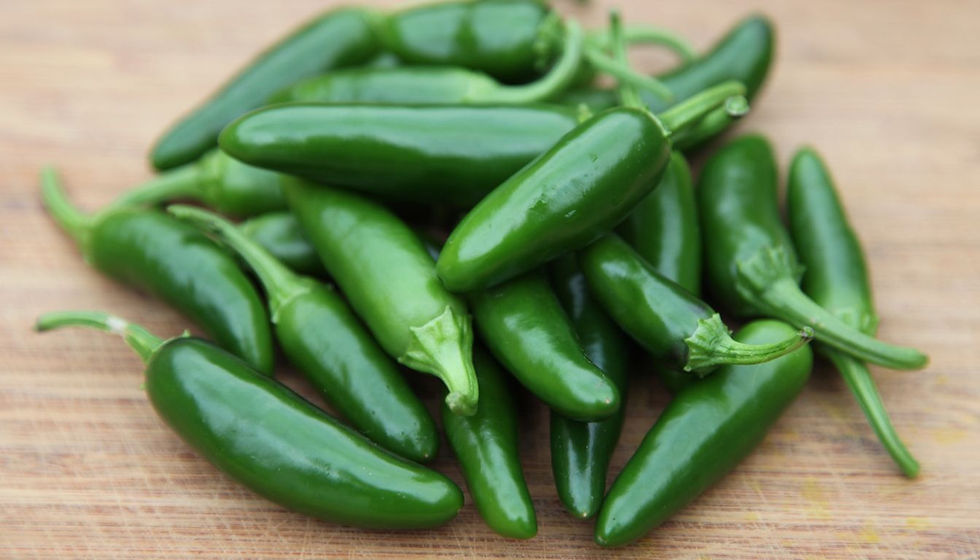
Jalapeños are one of the world's most popular chilli peppers, prized for their fresh flavour, moderate heat and incredible versatility. Native to Mexico, they are a medium-sized chilli that typically measures between 3,500 and 8,000 Scoville Heat Units (SHU), making them an excellent choice for anyone who enjoys a gentle kick without overwhelming heat.
Most jalapeños are harvested while they're still bright green, when they have a firm, smooth skin and a crisp texture. Their flavour is fresh, slightly grassy and subtly sweet, giving them a distinctive taste that works beautifully in a wide variety of dishes. If left to ripen naturally on the plant, they gradually turn red, becoming a little sweeter while retaining their characteristic warmth.
One of the reasons jalapeños have become so popular is their remarkable versatility. They can be enjoyed fresh in salsas, salads and guacamole, pickled for burgers and sandwiches, roasted on the barbecue, stuffed and baked, or finely chopped into curries, stir-fries and sauces. Fully ripe red jalapeños can even be smoked and dried to produce the famous chipotle chilli, transforming their flavour into something deep, rich and wonderfully smoky.
Their approachable heat level makes jalapeños the perfect introduction to cooking with chillies. They provide enough warmth to add excitement to a dish while allowing the other ingredients to shine, which is why they're equally at home in authentic Mexican cuisine, British Indian Restaurant cooking and countless everyday recipes around the world.
History and Origins
The jalapeño has been an important part of Mexican cuisine for hundreds of years, with its roots stretching back to the ancient civilisations of Mesoamerica. Long before European explorers arrived in the Americas, indigenous peoples such as the Aztecs were cultivating chilli peppers for use in cooking, medicine and even ceremonial traditions. Among the many varieties they grew, the jalapeño became valued for its balanced heat and distinctive flavour.
The pepper takes its name from the city of Xalapa (also spelled Jalapa) in the Mexican state of Veracruz, a region that has long been associated with its cultivation. Over time, the name "Xalapeño," meaning "from Xalapa", gradually evolved into the modern spelling jalapeño, the name recognised around the world today.
As Mexican cuisine spread beyond its borders, so did the popularity of the jalapeño. During the 19th and 20th centuries, increased trade and migration introduced the pepper to new countries, where it quickly became a favourite ingredient thanks to its moderate heat and remarkable versatility. Today, jalapeños are grown in many warm climates around the world, although Mexico remains one of the largest producers and continues to play a central role in preserving the pepper's rich culinary heritage.
From traditional Mexican salsas and tacos to modern burgers, pizzas, curries and homemade sauces, the jalapeño has earned its place as one of the world's most recognisable and widely used chilli peppers. Its unique balance of flavour and gentle heat has helped it remain a favourite with cooks and chilli lovers for generations.
Scoville Scale – How Hot Is a Jalapeño?
One of the first questions people ask about any chilli is, "How hot is it?" The answer is measured using the Scoville Scale, a system that ranks chilli peppers according to the amount of capsaicin they contain—the natural compound responsible for their heat.
Jalapeños typically measure between 3,500 and 8,000 Scoville Heat Units (SHU). This places them firmly in the medium heat category, offering enough spice to be exciting without overpowering the flavour of a dish. Their balanced heat is one of the main reasons they've become one of the world's most popular chillies.
To put that into perspective, here's how jalapeños compare with some other well-known chilli peppers.
Chilli | Scoville Heat Units (SHU) |
Bell Pepper | 0 |
Banana Pepper | 100–900 |
Poblano | 1,000–2,000 |
Jalapeño | 3,500–8,000 |
Serrano | 10,000–23,000 |
Cayenne | 30,000–50,000 |
Thai Bird's Eye | 50,000–100,000 |
Habanero | 100,000–350,000 |
Ghost Pepper | 800,000–1,000,000+ |
Carolina Reaper | 1,500,000–2,200,000+ |
As you can see, the jalapeño sits comfortably in the middle of the scale. It's considerably hotter than sweet peppers and poblanos but nowhere near the intense heat of habaneros, ghost peppers or the Carolina Reaper. This makes it an ideal chilli for those looking to explore spicy food without diving straight into the world's hottest varieties.
It's also worth remembering that not every jalapeño is exactly the same. Factors such as the variety, growing conditions, climate and the stage of ripeness can all influence the final heat level. Two peppers picked from the same plant may even have slightly different levels of heat.
For most people, however, the jalapeño offers the perfect balance of flavour and warmth. It provides enough heat to liven up a dish while still allowing the other ingredients to shine, making it one of the most versatile chillies you can cook with.
Cultivation and harvesting
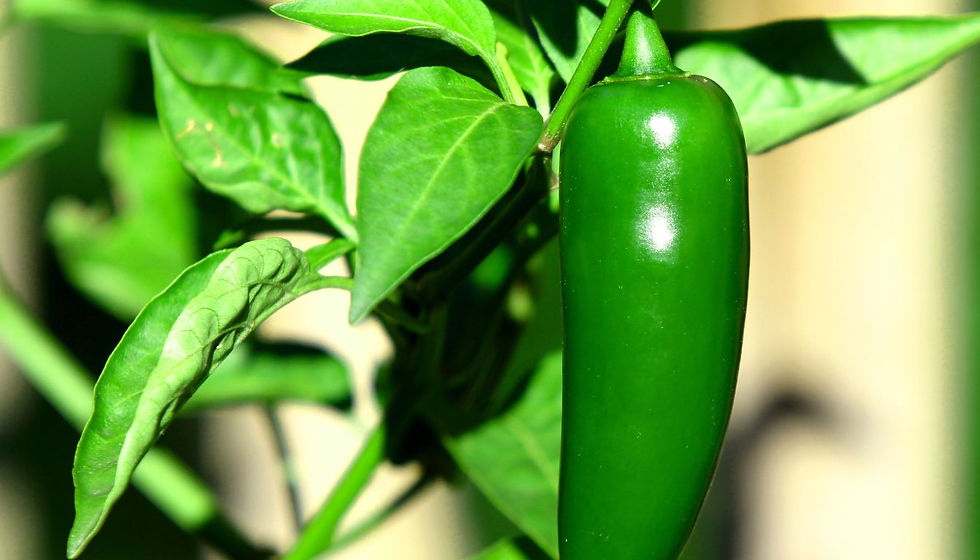
Jalapeños are one of the easiest chilli peppers to grow, making them an excellent choice for both beginners and experienced gardeners. They thrive in warm, sunny conditions and can be grown successfully in vegetable beds, raised planters, greenhouses or even large containers on a patio or balcony.
For the healthiest plants, jalapeños prefer well-drained, fertile soil rich in organic matter and plenty of direct sunlight. Ideally, they should receive six to eight hours of sunshine each day and grow best in temperatures between 21°C and 29°C (70–85°F). Consistent watering is important, although the soil should be allowed to drain freely, as waterlogged roots can quickly lead to poor growth and disease.
In cooler climates, seeds are usually started indoors 8 to 10 weeks before the last expected frost and transplanted outside once the weather has warmed. In warmer regions, such as the Mediterranean, plants can often be grown outdoors for much of the year, provided they receive adequate water during periods of intense heat.
Most jalapeño plants begin producing harvestable peppers around 70 to 85 days after planting, although this can vary depending on the variety and growing conditions. The peppers are commonly picked while they're still bright green, when they have a crisp texture and fresh, slightly grassy flavour. However, if left on the plant a little longer, they'll gradually ripen to a vibrant red, developing a sweeter, richer taste that makes them ideal for sauces or for smoking to produce chipotle chillies.
When harvesting, it's best to use a pair of scissors or pruning snips to cut the peppers from the plant rather than pulling them by hand. This helps prevent damage to the stems and encourages the plant to continue producing new fruit throughout the growing season. Regular harvesting also promotes further flowering, giving you an even more generous crop over the weeks ahead.
With just a little care and plenty of sunshine, a healthy jalapeño plant can reward you with dozens of delicious peppers, making it one of the most satisfying chillies to grow at home.
Health Benefits
Jalapeños may be small, but they're packed with nutrients that can make a valuable contribution to a healthy, balanced diet. Along with adding flavour and a gentle kick of heat to your meals, they provide a range of vitamins, minerals and naturally occurring plant compounds that support overall wellbeing.
One of the most important compounds found in jalapeños is capsaicin, the substance responsible for their heat. Capsaicin has been widely studied for its potential health benefits and has been linked to supporting a healthy metabolism. Some research suggests it may slightly increase calorie burning and help promote feelings of fullness, although it's no substitute for a balanced diet and regular exercise.
Jalapeños are also an excellent source of vitamin C, an essential nutrient that supports the immune system, helps maintain healthy skin and contributes to normal wound healing. They also provide vitamin A, which plays an important role in maintaining healthy vision, skin and immune function, along with smaller amounts of vitamin E and several B vitamins.
As with many fresh vegetables, jalapeños contain dietary fibre, which supports healthy digestion and contributes to normal bowel function. They also provide antioxidants that help protect the body's cells from damage caused by free radicals, making them a nutritious addition to a varied diet.
Researchers continue to study capsaicin for its potential anti-inflammatory and pain-relieving properties. In fact, purified capsaicin is already used in some topical creams designed to help relieve certain types of nerve and muscle pain. While eating jalapeños won't produce the same effect, it's another fascinating example of how this remarkable compound is being used.
For most people, jalapeños can be enjoyed regularly as part of a healthy diet. However, those with sensitive stomachs or digestive conditions such as acid reflux may find that spicy foods trigger discomfort and may prefer to enjoy them in moderation.
Whether you enjoy them fresh, pickled, roasted or smoked, jalapeños are a delicious way to add both flavour and valuable nutrients to your cooking.
Fresh vs Dried Jalapeños
Although most people recognise the jalapeño as a fresh green chilli, its flavour and character change significantly when it is dried. Understanding the difference allows you to choose the right form for your recipe and achieve the best possible results.
Fresh Jalapeños
Fresh jalapeños are crisp, juicy and full of vibrant flavour. They have a bright, slightly grassy taste with a gentle warmth that builds gradually, making them one of the most approachable chillies for everyday cooking.
They're perfect for:
Fresh salsas
Guacamole
Salads
Nachos and tacos
Sandwiches and burgers
Curries and stir-fries
Pickling
Green jalapeños are the most commonly available, while fully ripe red jalapeños offer a slightly sweeter, richer flavour.
Dried Jalapeños
Drying removes most of the chilli's moisture, concentrating both its flavour and its heat. As a result, dried jalapeños have a deeper, earthier taste than their fresh counterparts and are well suited to slow-cooked dishes, spice blends and homemade chilli powders.
Dried jalapeños can be rehydrated before cooking or ground into powder for use in rubs, marinades and sauces. They also store exceptionally well, making them a convenient pantry ingredient.
The Famous Chipotle
The best-known dried jalapeño is the chipotle. Unlike ordinary dried jalapeños, chipotles are made by slowly smoking fully ripe red jalapeños before drying them.
This traditional Mexican process transforms the pepper completely, producing a rich, smoky flavour with subtle sweetness while retaining its moderate heat. Chipotles are widely used in barbecue sauces, marinades, soups, stews and Mexican cuisine, where their distinctive smokiness adds remarkable depth.
Which Should You Choose?
Fresh jalapeños are ideal when you want a bright, clean chilli flavour and a crisp texture, while dried jalapeños are better suited to recipes that benefit from a richer, more concentrated taste. If you're looking to add a delicious smoky dimension to your cooking, chipotles are hard to beat.
Keeping both fresh and dried jalapeños in your kitchen gives you the flexibility to choose the perfect flavour for every dish, whether you're preparing authentic Mexican recipes, British Indian Restaurant curries or simply adding a gentle kick to everyday meals.
Culinary Uses
One of the biggest reasons for the jalapeño's worldwide popularity is its incredible versatility in the kitchen. Its fresh, slightly grassy flavour and moderate heat allow it to complement a huge variety of dishes without overpowering the other ingredients. Whether served raw, cooked, pickled or smoked, the jalapeño adds both flavour and a gentle warmth that appeals to a wide range of tastes.
Fresh jalapeños are commonly sliced into salads, finely diced into fresh salsas and guacamole, or used as a topping for burgers, pizzas, tacos and nachos. Their crisp texture and bright flavour make them ideal wherever a little freshness and spice are needed.
Cooking transforms the jalapeño in interesting ways. Roasting softens the flesh, brings out its natural sweetness and adds a subtle smoky flavour, while grilling or barbecuing creates a delicious char that works beautifully with meat, fish and vegetables. Jalapeños are also famous for being stuffed with cheese, minced meat or cream cheese before being baked or grilled, creating a popular appetiser that's enjoyed around the world.
Pickled jalapeños are perhaps the most familiar form for many people. The pickling process mellows the heat slightly while adding a pleasant tanginess that pairs perfectly with sandwiches, wraps, burgers and Mexican-inspired dishes. They're also a fantastic addition to loaded fries, hot dogs and homemade pizzas.
Although they're best known for their role in Mexican and Tex-Mex cuisine, jalapeños have found their way into kitchens across the globe. They're increasingly used in stir-fries, pasta dishes, soups, stews and even curries, where they provide a clean, fresh chilli flavour without overwhelming the other spices. In British Indian Restaurant (BIR) cooking, they're often used as a garnish or added to dishes where a fresh chilli flavour is preferred over dried chilli powders.
If you want to reduce the heat, simply remove the white membrane (placenta) and most of the seeds before cooking, as this is where much of the capsaicin is concentrated. Leaving them intact will give you a spicier result, while roasting or cooking them for longer often softens their heat and creates a sweeter, more rounded flavour.
Whether you're making a fresh salsa, topping a burger, cooking a curry or experimenting with homemade hot sauces, the jalapeño is one of the most versatile chillies you can have in your kitchen. Its balance of flavour and moderate heat makes it a favourite for beginners and experienced chilli lovers alike.
Flavour Profile
The jalapeño is much more than just a source of heat. In fact, one of the reasons it has become one of the world's favourite chillies is its distinctive flavour, which is fresh, vibrant and surprisingly complex.
When eaten fresh, green jalapeños have a crisp texture with a bright, slightly grassy flavour that's often compared to green bell peppers, but with a pleasant kick of spice. They also have subtle earthy notes and a mild natural sweetness that become more noticeable as the pepper cooks. This balance of freshness and warmth allows jalapeños to complement a wide variety of ingredients without dominating a dish.
As jalapeños ripen on the plant, they gradually change from green to red. During this process, some of the fresh, grassy notes mellow, while the natural sugars develop, giving the pepper a sweeter, richer flavour. Red jalapeños still have their characteristic heat, but they tend to taste fruitier and more rounded than their green counterparts.
Cooking also has a noticeable effect on the flavour. Roasting, grilling or frying softens the flesh and enhances the pepper's natural sweetness, while adding subtle smoky and caramelised notes. This is one of the reasons roasted jalapeños are so popular in salsas, burgers and barbecue dishes.
Perhaps the most dramatic transformation comes when ripe red jalapeños are smoked and dried to create chipotle chillies. The smoking process completely changes their character, replacing their fresh flavour with deep, rich, smoky notes that add incredible depth to soups, stews, sauces and marinades.
Although the heat of a jalapeño is noticeable, it rarely overwhelms the palate. Instead, it works alongside the pepper's fresh, slightly sweet flavour, making it one of the easiest chillies to cook with. This balance of taste and moderate spice is what has made the jalapeño a favourite in everything from authentic Mexican dishes to curries, burgers and homemade hot sauces.
Stevie's Tip
Don't think of a jalapeño as simply a "hot pepper." Treat it as an ingredient that adds flavour first and heat second. That's why it works so well in so many different recipes—the gentle warmth enhances the other ingredients rather than masking them.
Role in Indian cooking
Unlike many other chilli varieties, jalapeños are not traditionally used in Indian cuisine. Across India, cooks have historically relied on locally grown chillies such as Indian green chillies, Kashmiri chillies, Byadgi chillies and Guntur chillies to provide heat, colour and flavour. These varieties have shaped regional cooking for centuries and remain the preferred choice in authentic Indian recipes.
That said, jalapeños have become increasingly popular outside India, particularly in countries where they're readily available in supermarkets. Their moderate heat and fresh flavour make them an excellent substitute when traditional Indian green chillies are difficult to find, especially for home cooks looking for a milder alternative.
In British Indian Restaurant (BIR) cooking, jalapeños are occasionally used as a garnish or sliced into dishes where a fresh chilli flavour is wanted without excessive heat. They work particularly well in dishes such as Jalfrezi, Balti, Karahi and other recipes that benefit from pieces of fresh chilli rather than relying solely on chilli powder. Their crisp texture also makes them an attractive topping for naan breads, wraps and spicy kebabs.
Outside traditional curries, jalapeños can also be used to make spicy chutneys, modern pickles or stuffed appetisers with Indian-inspired fillings such as paneer, spiced potatoes or keema. Their clean, fresh flavour pairs surprisingly well with ingredients like coriander, cumin, ginger, garlic and garam masala, creating exciting fusion dishes that combine the best of Mexican and Indian influences.
While purists may prefer traditional Indian chilli varieties, there's certainly a place for jalapeños in the modern curry kitchen. Their approachable heat, versatility and fresh flavour make them a useful ingredient for anyone experimenting with Indian and BIR cooking at home.
Stevie's Tip
If a recipe calls for fresh green chillies and you can't find authentic Indian varieties, jalapeños make an excellent substitute. They won't taste exactly the same, but they'll provide a fresh chilli flavour with a moderate heat that's suitable for most curry recipes.
Featured Recipe
Ultimate Loaded Nachos: A Flavour-Packed Feast for Any Occasion

Storage and Selection Tips
Choosing good-quality jalapeños is the first step to getting the best flavour. Look for peppers that are firm, smooth and glossy, with a rich green colour and no soft spots or signs of mould. They should feel heavy for their size, which usually indicates they're fresh and full of moisture.
Don't be put off if you notice fine brown lines or small cracks on the skin. These natural markings, often called corking, develop as the pepper grows and are perfectly normal. In fact, many chilli enthusiasts believe corked jalapeños often have a little more flavour and heat than perfectly smooth ones.
If you're buying red jalapeños, choose peppers with an even, vibrant red colour and firm flesh. They should still feel solid and fresh, with no wrinkles or signs of shrivelling.
Storing Fresh Jalapeños
Fresh jalapeños are best stored in the salad drawer or crisper compartment of your refrigerator. Place them in a paper bag or a loosely sealed plastic bag to help maintain the right level of humidity while allowing a little air circulation. Stored this way, they'll usually stay fresh for one to two weeks.
Try to avoid washing them until you're ready to use them, as excess moisture can shorten their shelf life.
Freezing Jalapeños
Jalapeños freeze surprisingly well and are a great way to avoid waste if you have a bumper harvest or have bought more than you need.
Simply wash and dry the peppers, remove the stalks if desired, then freeze them whole or sliced in an airtight freezer bag or container. They don't usually need blanching beforehand. While they'll lose some of their crisp texture after thawing, they're perfect for adding straight to cooked dishes such as curries, soups, stews and sauces.
Pickling and Preserving
Pickling is one of the most popular ways to preserve jalapeños. The vinegar softens their heat slightly while adding a delicious tang that makes them ideal for burgers, sandwiches, tacos and salads. Properly pickled jalapeños can be stored for several months, making them a convenient ingredient to keep on hand.
Ripe red jalapeños can also be dried or smoked to create chipotle chillies, giving them an entirely new flavour profile and extending their shelf life even further.
Stevie's Tip
If you buy a bag of fresh jalapeños but only need one or two, freeze the rest. You can chop frozen jalapeños straight into curries, sauces and stir-fries without thawing them first, making them one of the easiest chillies to keep on hand.
Fun Facts
The jalapeño gets its name from a city.
The pepper is named after the Mexican city of Xalapa (also spelled Jalapa) in the state of Veracruz. The name jalapeño simply means "from Xalapa."
Red jalapeños and green jalapeños are the same pepper.
The only difference is ripeness. Green jalapeños are picked earlier, while red jalapeños are left on the plant to mature, becoming sweeter and slightly fruitier.
Chipotle chillies start life as jalapeños.
One of the world's most famous smoked chillies is simply a fully ripe red jalapeño that has been slowly smoked and dried, developing its rich, smoky flavour.
The brown lines are perfectly normal.
Those cork-like lines that sometimes appear on jalapeños aren't defects. They're called corking and occur naturally as the pepper grows. Many chilli lovers actually see them as a sign of a mature, flavourful pepper.
They're one of the world's most widely grown chillies.
Although native to Mexico, jalapeños are now cultivated across North and South America, Europe, Asia and Africa, making them one of the most recognisable chilli peppers on the planet.
Jalapeños are surprisingly versatile.
They can be eaten fresh, roasted, grilled, stuffed, pickled, smoked, dried or blended into sauces, making them one of the few chillies that taste fantastic in almost every form.
They're a gateway chilli.
Thanks to their moderate heat, jalapeños are often the first chilli people learn to enjoy before moving on to hotter varieties like serranos, habaneros and ghost peppers.
Heat can vary from pepper to pepper.
Even jalapeños growing on the same plant can have slightly different heat levels depending on sunlight, watering, ripeness and growing conditions.
Not all jalapeños are green.
While green jalapeños are the most common, fully ripened red jalapeños are sweeter and are often preferred for making sauces or smoking into chipotles.
They're loved far beyond Mexican cuisine.
Today, jalapeños appear in everything from pizzas and burgers to curries, stir-fries and even artisan breads, proving that this Mexican chilli has truly become a global favourite.
Stevie's Tip
If you've never cooked with fresh chillies before, start with jalapeños. They have enough heat to make dishes exciting but enough flavour to show that chillies aren't just about making food spicy—they're about adding character to every bite.
Related Chilli Guides
The Ultimate Guide to Chillies is an ongoing series exploring the world's most popular chilli peppers. New guides are added regularly, so be sure to check back as the collection grows.
🌶️ Chilli Guide Collection
✅ Published
Jalapeño
🚧 In Progress
Serrano
Poblano
Cayenne
Bird's Eye Chilli
Kashmiri Chilli
Byadgi Chilli
Guajillo
Chipotle
📋 Planned
Habanero
Scotch Bonnet
Ghost Pepper
Carolina Reaper
Anaheim
Banana Pepper
Thai Chilli
Pasilla
Guntur Chilli
Trinidad Scorpion
...and many more.
Frequently asked questions
How spicy are jalapeños?
Jalapeños have a moderate heat level, typically ranging from 3,500 to 8,000 on the Scoville scale, making them suitable for those who enjoy a spicy kick without overwhelming heat
Can I eat jalapeños raw?
Yes, jalapeños can be eaten raw and are often added to salads, salsas, and dips for their fresh, spicy flavour.
How do I reduce the spiciness of jalapeños?
Removing the seeds and membranes, which contain most of the heat, can significantly reduce spiciness. Soaking sliced jalapeños in vinegar or water for a few hours can also help mellow their heat.
How long do fresh jalapeños last in the fridge?
Fresh jalapeños typically last up to a week when stored in the refrigerator's crisper drawer in a plastic bag or airtight container.
Are jalapeños healthy?
Yes, jalapeños are low in calories and rich in vitamins A, C, and antioxidants, making them a healthy addition to your diet.
Final Thoughts
The jalapeño has earned its place as one of the world's favourite chilli peppers for good reason. With its fresh, vibrant flavour and moderate heat, it's incredibly versatile and easy to cook with, making it just as suitable for beginners as it is for experienced chilli enthusiasts.
Whether you enjoy them fresh in a salsa, pickled on a burger, roasted on the barbecue or added to a homemade curry, jalapeños bring far more than just heat to the table. Their crisp texture, balanced flavour and adaptability allow them to enhance a wide range of dishes without overpowering the other ingredients.
They're also a nutritious addition to your kitchen, providing valuable vitamins, antioxidants and the natural compound capsaicin, which has been widely studied for its potential health benefits. Combined with their ease of cultivation and excellent storage options, it's easy to see why jalapeños continue to be grown and enjoyed all over the world.
If you're just beginning your journey into the world of chillies, the jalapeño is the perfect place to start. It offers enough warmth to make your cooking exciting while allowing you to appreciate what really makes chillies special—their unique flavours, aromas and personalities.
So the next time you're looking to add a little life to your cooking, reach for a jalapeño. You might just discover why this humble Mexican chilli has become a favourite in kitchens across the globe.


Comments