


The Ultimate Guide to Cayenne Peppers: Heat, Flavour, History and How to Use Them

Updated: Aug 23
Overview
Cayenne peppers are one of the most recognisable chilli peppers in the world, famous for their bright red colour, distinctive elongated shape, and clean, fiery heat. Usually associated with cayenne pepper powder, these chillies have been used for centuries to add warmth and flavour to cuisines across the globe.
Belonging to the species Capsicum annuum, cayenne peppers are closely related to many other familiar chillies, including jalapeños and bell peppers. Unlike bell peppers, however, cayenne contains a significant amount of capsaicin, giving it a considerable kick on the Scoville Scale. Its heat is generally sharp and direct rather than overwhelmingly hot, making it a versatile chilli for everyday cooking.
Fresh cayenne peppers can be used in sauces, curries, stir-fries, marinades and pickles, while dried cayenne is most commonly ground into a vibrant red powder. Cayenne pepper powder is particularly useful in the kitchen because it provides a concentrated chilli heat that can be added in small amounts to control the intensity of a dish.
Cayenne also has an important place in Indian cooking, where dried red chillies and chilli powders are used to provide both heat and colour. It can be used alongside spices such as cumin, coriander, turmeric and garam masala to build layers of flavour without overwhelming the other ingredients.
In this guide, we'll explore everything you need to know about cayenne peppers, including their history and origins, heat level, flavour profile, cultivation, health benefits, fresh versus dried forms, culinary uses, and their role in Indian and British Indian Restaurant cooking.
Table of contents

So what Are Cayenne Peppers ?
Cayenne peppers are a popular variety of chilli pepper belonging to the species Capsicum annuum. They are best known for their long, slender shape, bright red colour, and lively heat, although cayenne varieties can vary in size, colour, and intensity. Unlike the sweet bell pepper, cayenne contains capsaicin, the natural compound responsible for the burning sensation we associate with hot chillies.
The name cayenne is most commonly associated with the chilli and the bright red powder produced by drying and grinding it. Cayenne pepper powder has become a staple spice cupboard ingredient around the world because it provides a concentrated chilli heat that can be added in small amounts to soups, sauces, marinades, curries and spice blends.
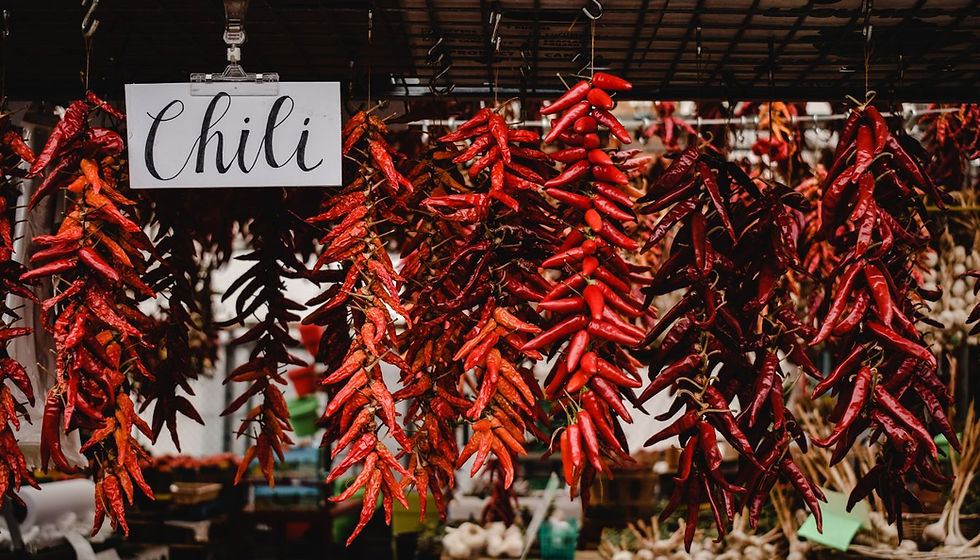
Fresh cayenne peppers are generally narrow and tapered, with relatively thin walls compared with larger chillies. As they mature, they commonly change from green to red, developing a deeper colour and a stronger, more developed flavour. They can be used fresh, dried, or ground into powder, giving cooks several different ways to introduce their heat into a dish.
Cayenne peppers are particularly useful when you want to increase the heat of a dish without adding a large amount of chilli flesh. A small quantity of cayenne powder can bring considerable warmth to a curry while allowing the other spices and ingredients to remain the focus.
They have also become closely associated with Indian cooking, where chilli powders are used to provide heat, colour and depth to countless dishes. In British Indian Restaurant cooking, cayenne or similar chilli powders can be incorporated into spice blends and curry sauces to help control the heat level of the finished dish.
Although cayenne is often thought of simply as a source of heat, a good-quality chilli also contributes its own subtle flavour. Used carefully, it can add warmth and character without overpowering the balance of a well-made curry.
Also Known As
Cayenne peppers are known by several names around the world, although cayenne pepper is by far the most familiar name in English-speaking countries. The name can refer both to the fresh chilli and, very commonly, to the dried chilli that has been ground into the bright red powder found in spice cupboards.
Common names and related terms include:
Cayenne pepper – The standard English name for the chilli and the spice made from it.
Cayenne chilli – A name often used to distinguish the fresh chilli from cayenne powder.
Red cayenne pepper – Used to describe the mature red form of the chilli.
Guinea pepper – An older name that has historically been used for certain cayenne-type peppers.
African pepper – Another historical name sometimes associated with cayenne and related chilli varieties.
Capsicum annuum – The botanical species to which cayenne belongs, although this name covers many different pepper varieties.
It is also important to distinguish cayenne pepper from cayenne powder. The powder is generally produced by drying and grinding cayenne-type chillies, but products sold as cayenne powder can vary in heat and may be made from closely related varieties.
In Indian cooking, you may not always see the word cayenne on an ingredient list. Recipes are more likely to call for red chilli powder, red chilli, or simply chilli powder, depending on the recipe and regional tradition. These products aren't necessarily identical to cayenne powder, as Indian chilli powders can vary considerably in heat, colour, and flavour.
This is worth remembering when following international recipes: a teaspoon of cayenne powder can be considerably hotter than a mild Indian chilli powder, so it's always sensible to adjust the quantity according to the particular chilli you're using.
History and Origins
Cayenne peppers have a long history that stretches back thousands of years to Central and South America, where chilli peppers were cultivated and used by Indigenous peoples long before the arrival of Europeans. The wider Capsicum family was domesticated in the Americas, with archaeological evidence showing that chillies were being used as food and seasoning several thousand years ago.
The name cayenne is generally associated with Cayenne, the capital of French Guiana, although the exact history of the name is more complicated than simply being named after the city. Cayenne-type peppers were already being cultivated and traded in South America before they became known internationally.
The arrival of European explorers in the late 15th and early 16th centuries changed the history of the chilli pepper forever. Following the voyages of Christopher Columbus, chilli peppers were taken back to Europe and subsequently spread rapidly around the world through Spanish and Portuguese trade routes. Within a relatively short period, they had reached Africa, India, Southeast Asia and other parts of Asia.
This global spread had an enormous influence on cooking. India, in particular, embraced chilli peppers so successfully that they are now considered an essential part of Indian cuisine, despite not being native to the country. Dried red chillies and chilli powders became important sources of colour, flavour and heat in countless regional dishes.
Cayenne peppers eventually became particularly valued in their dried and powdered form. The resulting bright red cayenne pepper powder could be stored for long periods and used in small quantities to add concentrated heat to food.
Today, cayenne-type peppers are cultivated in many warm regions around the world. Their journey from the Americas to becoming a familiar spice in kitchens everywhere is a fascinating example of how one plant can travel across continents and completely transform the world's cuisines.
Heat level (Scoville Scale SHU)
Cayenne peppers are considered a medium-hot chilli, although their exact heat level can vary depending on the variety, growing conditions, and maturity of the fruit. They typically measure between 30,000 and 50,000 Scoville Heat Units (SHU) on the Scoville Scale.
The Scoville Scale, developed by American pharmacist Wilbur Scoville in 1912, measures the heat of chilli peppers according to their concentration of capsaicinoids, particularly capsaicin. The higher the SHU rating, the greater the perceived heat.
For comparison:
Chilli | Approximate Heat |
Bell Pepper | 0 SHU |
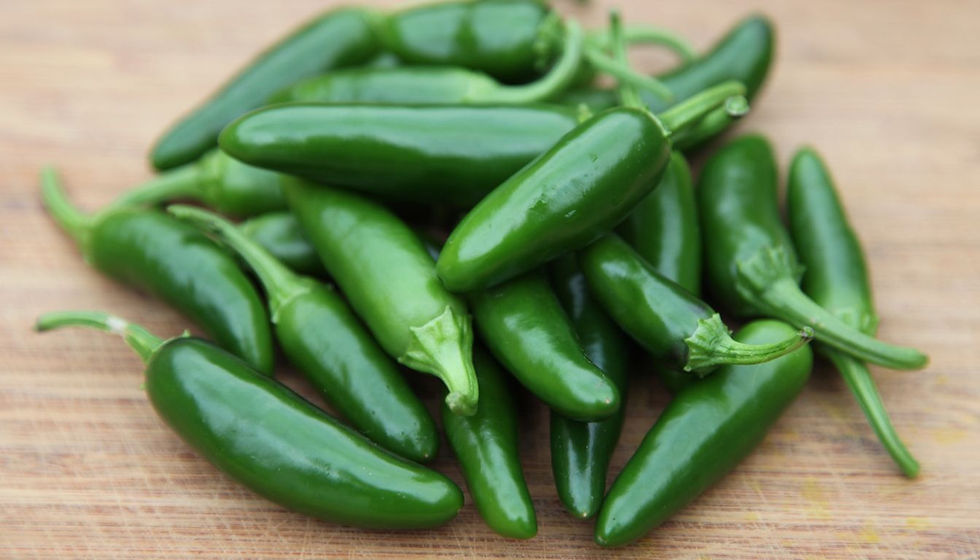
Jalapeño | 2,500–8,000 SHU |
Serrano | 10,000–23,000 SHU |
Cayenne | 30,000–50,000 SHU |
Bird's Eye | 50,000–100,000 SHU |
Habanero | 100,000–350,000 SHU |
This puts cayenne considerably hotter than a jalapeño, but below the intense heat of chillies such as the habanero. That makes it particularly useful when you want to introduce a noticeable, clean heat without turning a dish into an extreme chilli challenge.
Cayenne powder can sometimes seem particularly powerful because drying removes the water from the chilli, concentrating its flavour and heat. This means a small amount of powder can have a significant effect on a dish.
Stevie's Tip: When cooking with cayenne powder, start with a small amount and build the heat gradually. It's much easier to add more chilli than it is to rescue a curry that's become too hot.
Cultivation and Harvesting
Cayenne peppers are warm-season plants that thrive in plenty of sunlight, warmth, and well-drained soil. Like other members of the Capsicum annuum family, they perform best when temperatures remain consistently warm, making them particularly well suited to tropical, subtropical, and Mediterranean climates.
Cayenne plants can be grown from seed or transplanted as young plants once the risk of cold weather has passed. They benefit from fertile soil, regular watering, and good air circulation. Although they need consistent moisture while growing, waterlogged soil can damage the roots, so good drainage is particularly important.
The plants produce small white flowers, which develop into long, slender green chillies following successful pollination. As the fruits mature, they gradually change colour, most commonly from green to bright red. Leaving the chillies on the plant until they reach full colour allows them to develop a deeper flavour and higher concentration of natural pigments.
Cayenne peppers can be harvested while still green if a fresher, sharper flavour is desired, but they are most commonly harvested when fully mature and red. The mature fruits are ideal for drying and grinding into cayenne pepper powder.
Commercial growers generally harvest cayenne peppers by hand or using specialised harvesting equipment, depending on the scale of production. Care needs to be taken when handling ripe chillies because the capsaicin they contain can irritate the skin and, particularly, the eyes.
For home gardeners, regular harvesting can encourage the plant to continue producing flowers and fruit throughout the growing season. Once picked, fresh cayenne peppers can be used immediately, stored for later use, or dried whole and ground into chilli powder.
Stevie's Tip: If you're growing cayenne at home, allow some of the fruits to remain on the plant until they're fully red. They're particularly good for drying, and you can make your own fresh cayenne powder for curries and spice blends.
Health Benefits
Cayenne peppers aren't just a source of heat; they also contain a range of vitamins, minerals, and plant compounds that can contribute to a healthy diet. Their most interesting component is capsaicin, the natural compound responsible for their characteristic heat.
Capsaicin has been widely studied for its potential effects on metabolism, circulation, and pain perception. It can temporarily increase thermogenesis—the production of heat by the body—and may have a small effect on energy expenditure. However, cayenne should be viewed as a nutritious ingredient rather than a miracle weight-loss food.
Cayenne peppers also provide vitamin C, an important antioxidant that supports normal immune function and helps protect cells from oxidative stress. They contain vitamin A and carotenoids, which contribute to maintaining normal vision, skin, and immune function.
Other nutrients found in cayenne peppers include:
Vitamin B6 – contributes to normal energy metabolism and nervous-system function.
Vitamin E – helps protect cells from oxidative stress.
Potassium – important for normal muscle and nerve function.
Folate – contributes to normal cell division and blood formation.
Dietary fibre – supports normal digestive health.
The red colour of mature cayenne peppers comes partly from carotenoid pigments, including capsanthin, which have antioxidant properties. Like many brightly coloured fruits and vegetables, chillies contain a variety of naturally occurring plant compounds that contribute to their nutritional value.
It is worth remembering that cayenne is normally eaten in relatively small quantities, particularly when used as a powder. Its nutritional contribution therefore depends on how much is actually consumed as part of the overall diet.
Stevie's Tip: You don't need a huge amount of cayenne to get its flavour and heat. A small pinch can add plenty of character to a curry while allowing the other spices and ingredients to remain balanced.

Fresh vs Dried
Cayenne peppers are particularly interesting because they work extremely well in both fresh and dried forms, although each brings something slightly different to the kitchen.
Fresh cayenne peppers have a bright, clean chilli flavour with a crisp texture and a sharp, immediate heat. They can be sliced or chopped and added to curries, stir-fries, sauces, marinades, pickles, and spicy relishes. Fresh green cayenne tends to have a more grassy flavour, while fully ripened red cayenne develops a deeper, fruitier character.
Dried cayenne peppers have a more concentrated flavour because most of their moisture has been removed. They can be used whole, crushed into flakes, or ground into a fine powder. Dried cayenne is particularly useful when you want to distribute chilli evenly throughout a dish without adding pieces of fresh chilli.
Cayenne powder has become one of the world's most familiar chilli spices. It is commonly used in spice blends, sauces, soups, marinades and, of course, curries. Because the powder is concentrated, a small amount can provide considerable heat.
Drying also makes cayenne considerably easier to store. Whole dried chillies can be kept for months in a cool, dry, dark cupboard, while freshly harvested chillies are much more perishable.
For Indian and British Indian Restaurant cooking, dried chilli powder is especially useful because it can be incorporated directly into a curry base or spice blend, giving you much more consistent control over the heat and colour of the finished dish.
Stevie's Tip: If you're using dried cayenne powder, add it gradually. Different brands and batches can vary considerably in strength, so always taste as you build the curry rather than relying solely on the measurement.
Culinary Uses
Cayenne peppers are one of the most useful chillies in the kitchen when you want to add clean, direct heat without introducing a large amount of chilli flesh. They can be used fresh, dried, crushed, or ground into powder, giving cooks plenty of options depending on the dish.
Fresh cayenne peppers can be sliced or chopped into curries, stir-fries, sauces, marinades, pickles, chutneys, and spicy relishes. They can also be added towards the end of cooking when you want their fresh chilli character to remain noticeable.
Dried cayenne is particularly versatile. Whole dried chillies can be fried briefly in oil to release their flavour before being added to a dish, while crushed cayenne can provide bursts of heat. Cayenne powder is perhaps the most convenient form, allowing you to add precise amounts throughout cooking. It works particularly well in spice rubs, sauces, soups, marinades and curry dishes.
In Indian cooking, chilli powder is fundamental to many recipes, providing not only heat but also colour and depth. Cayenne can be used alongside cumin, coriander, turmeric, paprika, garam masala, ginger and garlic to build a balanced spice profile.
It's equally useful in British Indian Restaurant cooking, where chilli powder can be incorporated into spice blends, base gravy, curry sauces and individual curry builds. Because cayenne is relatively concentrated, it allows the cook to increase the heat without dramatically changing the volume or texture of the dish.
Cayenne also works surprisingly well beyond curries. A small amount can lift eggs, roasted vegetables, grilled meats, seafood, beans, chocolate, cheese dishes and even hot drinks, demonstrating just how versatile this little chilli can be.
Stevie's Tip: Think of cayenne as a heat-control tool. Add a little at a time during the cooking process and taste as you go. It's much easier to build the heat gradually than to try to bring it back down once you've gone too far.
Flavour Profile
Cayenne peppers have a bright, clean and moderately fruity flavour, followed by a sharp, warming heat that builds quickly on the palate. Unlike some of the hotter chillies, cayenne doesn't usually dominate a dish with an intensely fruity or smoky character, which makes it particularly useful when the main purpose is to add controlled chilli heat.
Fresh cayenne peppers tend to have a crisp, slightly grassy flavour, particularly when harvested while still green. As they mature and turn red, they develop a sweeter, deeper chilli flavour with less of the fresh green character.
Drying changes the flavour considerably. As the water is removed, the chilli becomes more concentrated, producing a warmer, deeper and slightly earthy flavour. Cayenne powder is particularly potent because both its flavour and heat are concentrated into a small amount of spice.
Cayenne works exceptionally well alongside aromatic ingredients such as garlic, ginger and onion, while its heat complements spices including cumin, coriander, turmeric, paprika and garam masala. Rather than needing to be the dominant flavour, it can sit quietly in the background and provide the warmth that brings the other ingredients together.
In a curry, cayenne can therefore play two roles: it provides heat and a subtle chilli flavour. Used carefully, it allows you to increase the intensity of a dish without overwhelming the more delicate flavours of herbs, spices, meat or vegetables.
Stevie's Tip: Cayenne is all about balance. If you can taste nothing but chilli, you've probably used too much. The best curry has the cayenne working in the background, adding warmth while allowing the other spices to shine.
Role in Indian Cooking
Cayenne peppers, and cayenne-type chillies more broadly, are valued in Indian cooking primarily for their heat, colour, and concentrated chilli flavour. Although chillies originated in the Americas and were introduced to India only after the 15th century, they have become an essential part of Indian cuisine, with different regions developing their own preferences for varieties and chilli powders.
In many Indian recipes, dried red chillies are used whole, crushed, or ground into powder. Chilli powder can be added during the cooking process to build heat throughout the dish, while whole dried chillies can be fried briefly in oil or ghee to release their flavour and aroma.
Cayenne is particularly useful when a cook wants to increase the heat without adding a large quantity of fresh chilli. It works naturally alongside the traditional Indian spice combination of cumin, coriander, turmeric, ginger, garlic and garam masala, helping to create a layered flavour rather than simply making a dish hotter.
In British Indian Restaurant (BIR) cooking, chilli powder is an important tool for controlling the heat of individual curries. A measured amount can be incorporated into the curry build alongside the base gravy and other spices, allowing the cook to produce anything from a relatively mild dish to a much hotter curry.
Cayenne can therefore be thought of as more than simply a hot ingredient. Used correctly, it provides a controllable source of heat while allowing the aromatic spices and main ingredients to remain at the centre of the dish.
Stevie's Tip: When building a BIR curry, add your chilli powder gradually. You can always increase the heat as the curry develops, but once you've added too much, there's no easy way of taking it back out.
Featured Recipe
Cayenne peppers are incredibly versatile, but they really come into their own when used to bring controlled heat to a good curry. Rather than choosing a recipe where cayenne is simply sprinkled on top, I'd use this section to show how it works as part of the SCM Method and the BIR cooking process.
One of the best examples would be a Chicken Madras, where chilli powder plays an important role in creating the characteristic heat and depth of the finished curry. Cayenne can provide that sharp, warming chilli kick while allowing the other spices, onions, garlic, ginger, tomato, and curry base to remain balanced.
The beauty of using cayenne in a Madras is that you can control the heat according to your own preference. Start with a sensible amount and build gradually as the curry cooks. The chilli should provide warmth and character without completely overpowering the other flavours.
Cayenne can also be used in many of the other curries here at Stevie's Curry Magic, particularly where you want to increase the heat without adding large pieces of fresh chilli.
Stevie's Tip: A good Madras shouldn't simply be hot. The heat should be part of a balanced curry, working alongside the spices, acidity, sweetness and fat to create a dish that's both fiery and full of flavour. 🌶️🔥
Chicken Madras: A British Indian Restaurant Classic

Storage and Selection Tips
When buying fresh cayenne peppers, look for chillies that are firm, glossy, and brightly coloured, with smooth skin and no soft spots, mould, excessive wrinkling, or signs of damage. Mature red cayenne peppers should have a strong, even colour and feel reasonably firm rather than limp or dried out.
Fresh cayenne peppers are best stored in the refrigerator, ideally in the vegetable drawer. Keep them dry and avoid washing them until you're ready to use them, as excess moisture can encourage spoilage. Properly stored, fresh chillies can usually remain in good condition for around one to two weeks, although their quality is best when used sooner.
If you've bought more fresh cayenne than you can use, they can also be frozen. Simply wash and dry them thoroughly, remove the stems if desired, and freeze them whole or sliced in an airtight freezer bag or container. Frozen chillies will lose some of their crisp texture, but they're excellent for curries, sauces and other cooked dishes.
Dried cayenne peppers should be stored somewhere cool, dry and dark, away from direct sunlight and moisture. An airtight container is ideal. Whole dried chillies will generally retain their quality for considerably longer than fresh ones, although their colour, aroma and flavour will gradually fade over time.
Cayenne powder should also be kept in an airtight container in a cool, dark cupboard. Avoid storing it directly above the cooker, where heat, steam and moisture can cause the powder to deteriorate more quickly.
Stevie's Tip: If your dried cayenne has lost its bright colour and distinctive aroma, it's probably past its best. It may still provide some heat, but fresh, properly stored chilli powder will give your curry much better flavour and colour.
Fun Facts
Cayenne peppers have a fascinating history and plenty of surprises behind their fiery reputation. Here are a few facts that make this chilli particularly interesting:
🌶️ They're named after a city. The name cayenne is generally associated with Cayenne in French Guiana, although the exact origins of the name are more complicated than simply being named after the city.
🔥 They're hotter than a jalapeño. Cayenne typically measures around 30,000–50,000 SHU, putting it several times higher on the Scoville Scale than a jalapeño.
🧂 Cayenne powder is made from dried chillies. The familiar red powder found in spice cupboards is produced by drying and grinding cayenne-type peppers, giving you a concentrated source of heat and flavour.
🌎 Chillies aren't originally from India. Cayenne and other chilli peppers originated in the Americas and were introduced to India following European exploration. They have since become an essential part of Indian cooking.
🧬 It's related to bell peppers. Cayenne belongs to the same species, Capsicum annuum, as bell peppers, jalapeños and several other familiar peppers.
🌡️ The heat comes from capsaicin. This natural compound activates heat-sensitive receptors in your mouth, creating the burning sensation we recognise as chilli heat.
🌶️ The plants can keep producing. With regular harvesting and suitable growing conditions, cayenne plants can continue producing fresh chillies throughout much of the growing season.
🍫 It works with chocolate. A small pinch of cayenne can add warmth and complexity to chocolate desserts and drinks, demonstrating that chilli doesn't have to be restricted to savoury cooking.
🫙 Drying makes it much easier to store. Fresh cayenne is relatively perishable, while properly dried whole chillies can be stored for months and ground into powder whenever needed.
Stevie's Fun Fact: The chilli pepper's journey from the Americas to India completely changed Indian cuisine. Today, it's almost impossible to imagine many Indian curries without chilli—but chilli peppers are actually a relatively recent arrival compared with traditional Indian spices such as cumin, coriander and black pepper.
Related Chilli Guides
If you've enjoyed discovering more about cayenne peppers, there's plenty more to explore in the Stevie's Curry Magic Chilli Guide series. Each guide looks beyond heat alone, covering the history, flavour, culinary uses, growing, storage, and role of each chilli in cooking.
You might also enjoy:
🫑 Bell Peppers – The mildest member of the chilli family, with 0 SHU and a naturally sweet, crisp flavour.
🌶️ Jalapeño – A wonderfully versatile chilli with moderate heat and a fresh, grassy flavour.
🌶️ Bird's Eye Chilli – Small, fiery and intensely hot, with a clean chilli flavour that's particularly popular in Asian and Indian cooking.
🌶️ Kashmiri Chilli – Loved for its deep red colour and relatively mild heat, making it especially useful in Indian curries.
🌶️ Serrano Chilli – A crisp, bright chilli that's hotter than a jalapeño and excellent when used fresh.
🌶️ Habanero – A much hotter chilli with a distinctive fruity flavour and serious heat.
🌶️ Scotch Bonnet – Famous for its intense heat and tropical, fruity character.
As the Ultimate Guide to Chillies collection continues to grow, you'll be able to explore chillies from the completely mild bell pepper right through to some of the world's hottest varieties.
Keep Exploring: Don't just look at how hot a chilli is. Discovering its flavour, aroma, history and best cooking applications is what makes each variety unique. 🌶️
Frequently asked questions
What is cayenne pepper?
Cayenne pepper is a type of chilli belonging to the species Capsicum annuum. It is usually long, slender and red when fully ripe and is widely used fresh, dried, or ground into cayenne pepper powder.
How hot is cayenne pepper?
Cayenne peppers typically measure around 30,000–50,000 Scoville Heat Units (SHU). This makes them considerably hotter than jalapeños but generally milder than habaneros.
Is cayenne pepper the same as chilli powder?
Not necessarily. Cayenne pepper powder is made from dried cayenne-type chillies, whereas chilli powder can refer to powders made from many different chilli varieties. Their heat, colour and flavour can therefore vary considerably.
Is cayenne pepper used in Indian cooking?
Yes. Cayenne-type chillies and chilli powders are widely used to provide heat and colour in Indian cooking. Cayenne can be used alongside spices such as cumin, coriander, turmeric, ginger, garlic and garam masala.
Can you use fresh cayenne peppers instead of dried cayenne?
Yes. Fresh cayenne can be chopped or sliced and added to curries, sauces, stir-fries and marinades. However, dried cayenne powder is much more concentrated, so you shouldn't automatically substitute it on a one-for-one basis.
Can cayenne pepper help with weight loss?
Capsaicin has been studied for its potential effects on thermogenesis and energy expenditure, but cayenne should not be considered a magic weight-loss ingredient. It is best viewed as a nutritious flavouring ingredient within an overall balanced diet.
How should cayenne peppers be stored?
Fresh cayenne peppers should be kept dry and refrigerated, ideally in the vegetable drawer. Dried chillies and cayenne powder should be stored in airtight containers somewhere cool, dry and dark to preserve their flavour, colour and heat.
Can you grow cayenne peppers at home?
Yes. Cayenne plants are relatively straightforward to grow provided they receive plenty of sunlight, warmth, water and well-drained soil. They are particularly well suited to warm Mediterranean climates.
Why is cayenne pepper so hot?
The heat comes from capsaicin, a natural compound found in chilli peppers. Capsaicin activates heat-sensitive receptors in the mouth, creating the burning sensation we associate with chilli heat.
Is cayenne pepper healthy?
Cayenne peppers contain vitamin C, vitamin A, carotenoids, fibre and other plant compounds. They also contain capsaicin, which has been widely studied for its biological effects. As with any ingredient, cayenne is best considered as part of a varied and balanced diet.
Conclusion
Cayenne peppers may be small and slender, but they have earned their place as one of the world's most useful chilli peppers. With their bright colour, distinctive flavour, and 30,000–50,000 SHU heat range, they provide a reliable way to introduce warmth and depth into a huge variety of dishes.
From fresh green and red chillies to dried whole peppers and finely ground cayenne powder, each form offers something different. Fresh cayenne brings a bright, lively chilli flavour, while drying concentrates both its heat and flavour, making cayenne powder an incredibly useful ingredient for the spice cupboard.
Although chilli peppers originated in the Americas, cayenne and other Capsicum varieties have become firmly established in cuisines around the world. In Indian cooking, chilli has become an essential part of countless recipes, providing heat, colour and balance alongside traditional spices such as cumin, coriander, turmeric, ginger and garlic. The same principle applies to British Indian Restaurant cooking, where chilli powder gives the cook precise control over the heat of the finished curry.
Cayenne is also a reminder that cooking with chilli isn't simply about chasing extreme heat. The best use of any chilli is about balance—using enough to create warmth and character while allowing the other ingredients to shine.
Whether you're growing your own cayenne peppers, adding a fresh chilli to a curry, or reaching for the cayenne powder in your spice cupboard, this versatile little pepper deserves a place in any serious curry cook's kitchen.
And if you're enjoying the Ultimate Guide to Chillies, keep exploring the series. From the completely mild bell pepper to fiery varieties such as the habanero, every chilli has its own story, flavour and place in the kitchen. 🌶️🔥


Comments